You pay more for beech handles every year. Prices keep rising. Supply keeps shifting. Your margin gets squeezed. There is a proven alternative, and most buyers overlook it.
Birch matches beech in hand feel and machining quality but costs 8–15% less per finished handle. Beech is denser and holds moisture more stably. Birch is lighter and easier on cost. The right choice depends on your brush grade, your ferrule specs, and your price pressure.
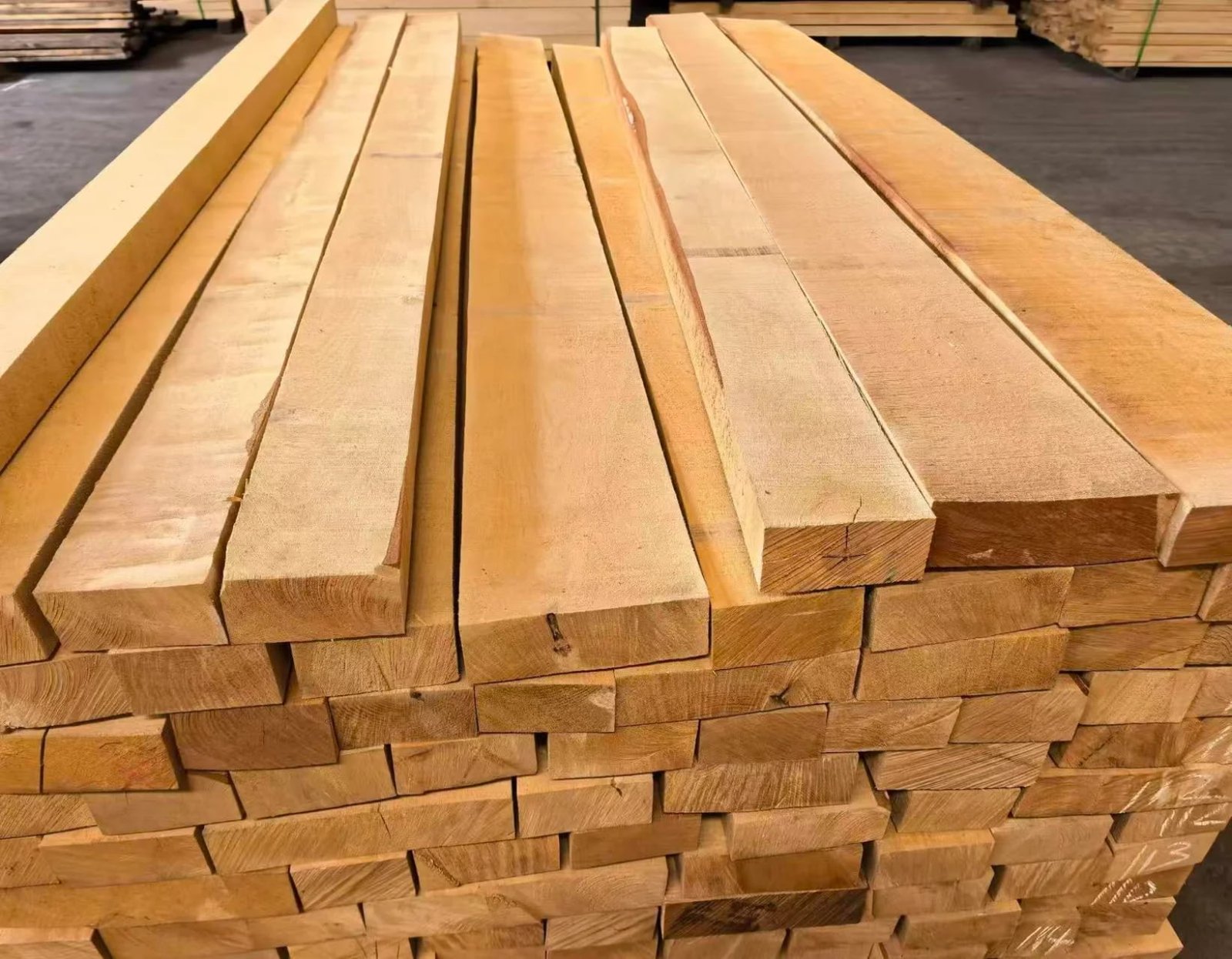
I have made wooden brush handles in China for over 20 years. I have machined millions of handles in both woods. Choosing the right wood for paint brush handles comes down to three numbers: density, ferrule allowance, and landed cost. In this article, I will compare birch and beech on all three. I will also tell you exactly when I recommend each wood to my own customers.
Why Did Beech Become the Default Wood for Brush Handles (And Why Is That Changing)?
Most European and American brush factories spec beech by habit. Nobody questions it. But habits formed 40 years ago may not fit today's material prices.
Beech became the default because of its rain-drop grain figure, its suitable hardness, and its European origin. It was seen as the premium choice for paint brushes. But rising European beech prices and supply swings are pushing factories toward birch, which costs less and feels just as good in hand.
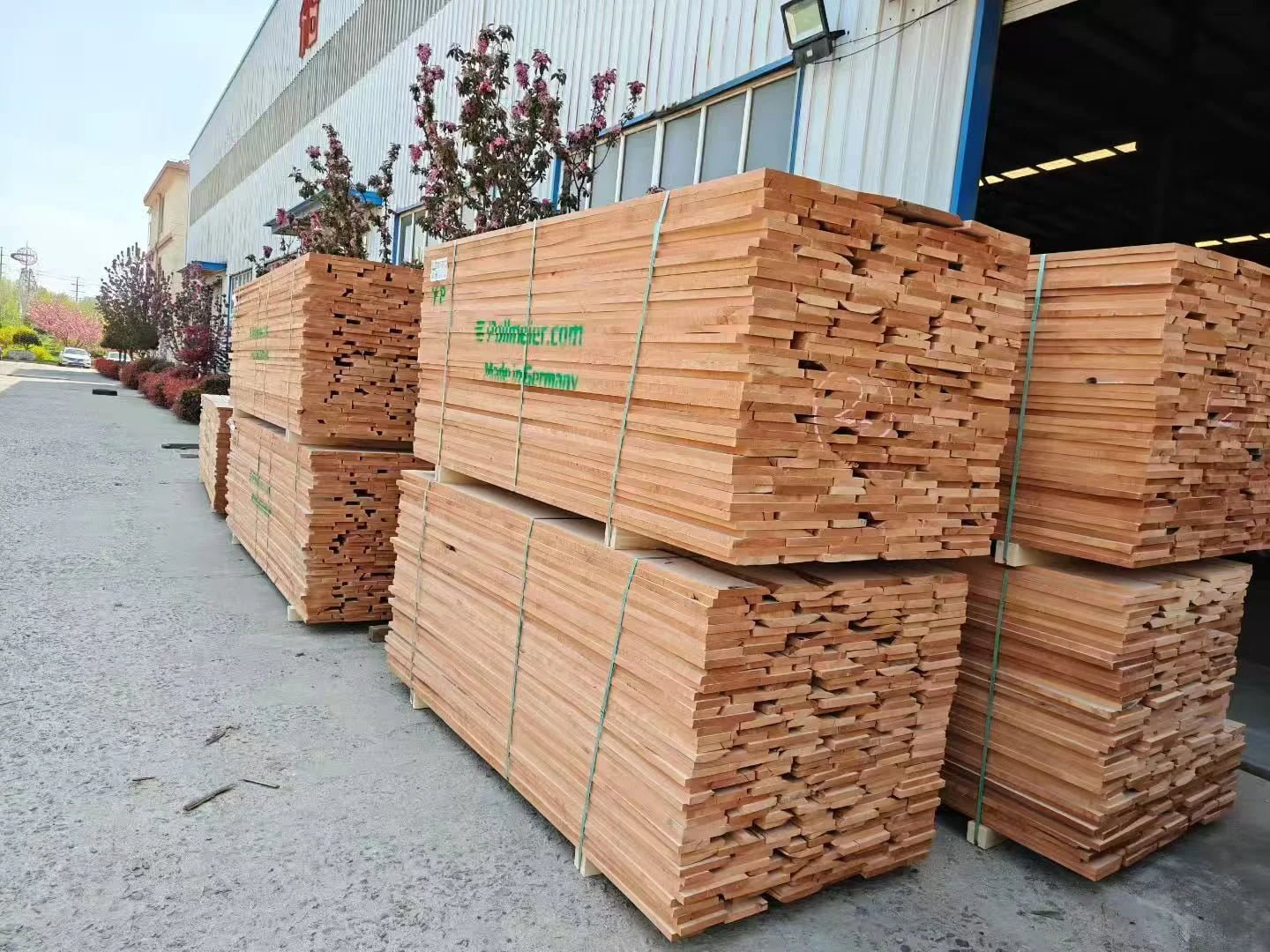
In my factory, beech orders dominated for years. My European and American brush factory customers loved it. There were three reasons for that.
The Three Reasons Beech Won
| Factor | Why It Mattered |
|---|---|
| Grain figure | The small ray flecks (a "rain-drop" figure) look distinct and premium |
| Hardness | Hard enough to resist dents, soft enough to machine |
| Origin story | European wood for a European-style tool felt right |
The "rain-drop" pattern is real — the industry term is ray flecks. Beech shows these small medullary ray flecks on the surface. Painters and buyers recognize it. It signals a high-grade brush.
But the market has changed. European beech prices have climbed year after year. Supply also swings with the season and with logging quotas. My customers feel this in every quote I send them.
So I started to recommend birch to more of my clients. Birch costs less. And here is the key point: in hand feel, birch does not lose to beech. It is smooth, warm, and comfortable. Once my customers hold a finished birch sample, most of their doubts disappear. The switch is not a downgrade. It is a smarter match between wood cost and brush grade. You can see examples on our birch brush handle product page and compare them with our beech brush handle product page.
If you are still comparing more than these two species, start with our full guide on how to choose the right wood for paint brush handles, then come back here for the birch-beech decision.
Birch vs. Beech: How Do Their Physical Properties Compare (Density, Weight & Machining)?
Spec sheets rarely tell you how a handle feels on the line or in a painter's hand. Numbers on paper hide real differences. Let me give you both.
European beech has an air-dry density of 710–730 kg/m³. Birch sits at 630–645 kg/m³. Beech is about 12–14% heavier at the same volume. Beech is harder and more dent-resistant. Birch is moderately hard with better toughness, so it resists chipping during machining.
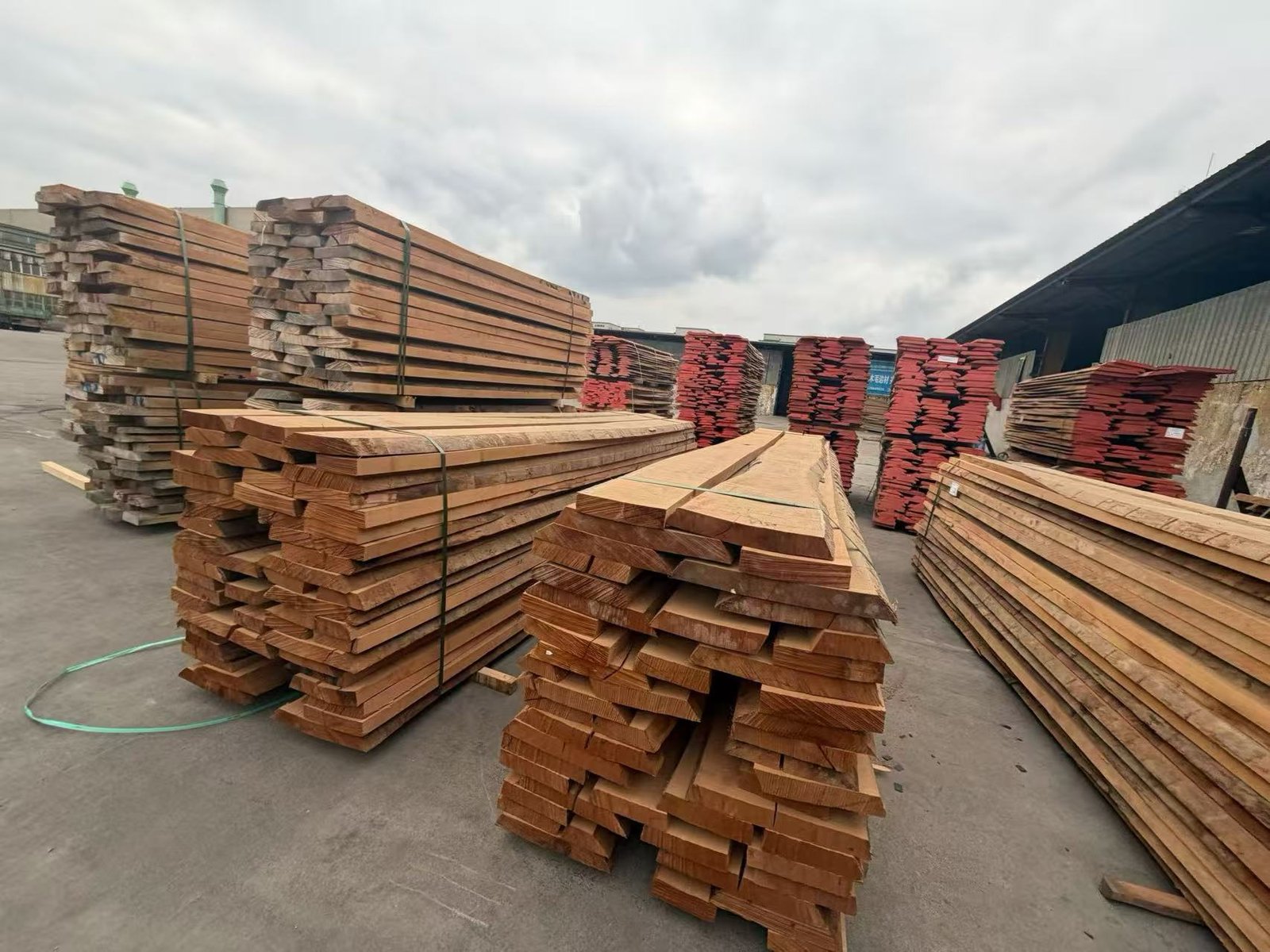
I run both woods through the same lathes and sanding lines. The differences show up fast. Here is what I see every day in production.
Density and Weight
| Property | Birch | European Beech |
|---|---|---|
| Air-dry density | 630–645 kg/m³ | 710–730 kg/m³ |
| Weight at same volume | Baseline | +12–14% |
| Feel in hand | Balanced, light | Noticeably heavier, "sinks" in the palm |
Pick up a beech handle and a birch handle of the same shape. You will feel the difference right away. The beech handle has a clear heft. Some buyers read that heft as quality. Others find it tiring.
Hardness and Machining
Beech is harder. It resists knocks and wear better on the job site. Birch has moderate hardness but good toughness. In my experience, birch does not chip out easily at the edges during turning. That helps my yield.
Grain and Surface
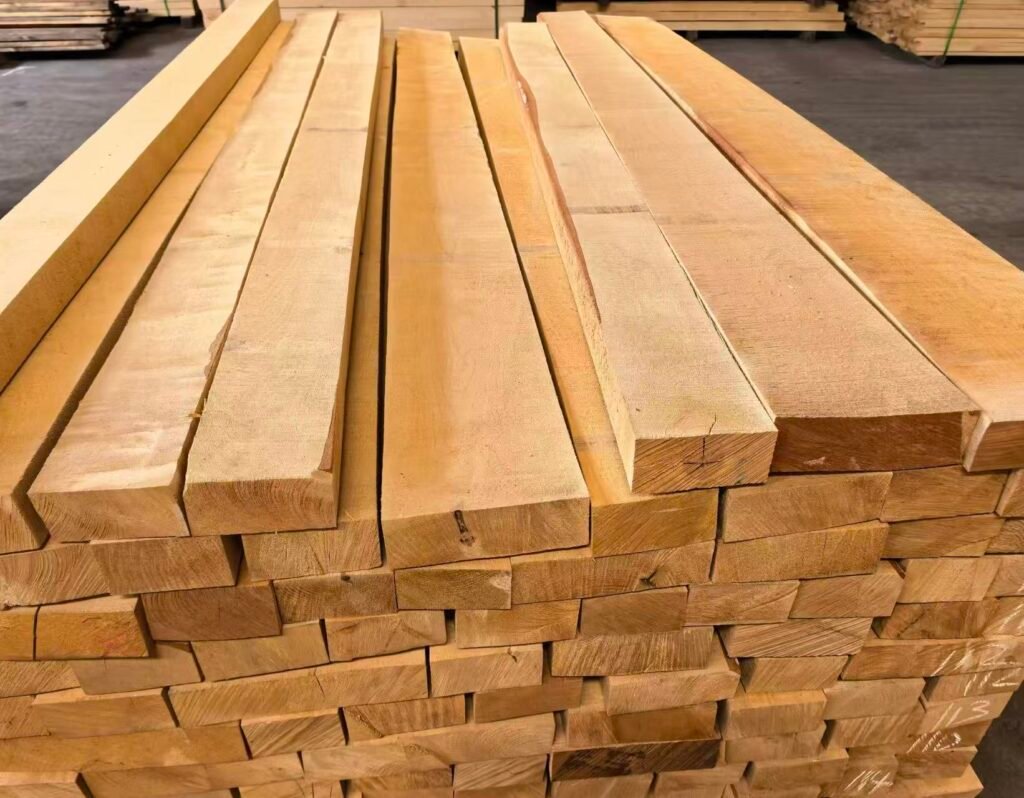
Birch shows a fine, straight, tight grain. It looks clean. But when moisture content runs high, the birch surface can raise fuzz after sanding. I control this with strict kiln drying. Beech shows its rain-drop figure and holds moisture more stably.
Hand Feel
A birch handle feels moderate in weight. It does not press on the hand. A painter can hold it for hours without fatigue. A beech handle feels tight and firm. After fine sanding, beech gives a more premium touch. For full physical property data on beech, see the European Beech profile on The Wood Database.
Ferrule Fit: How Does Each Wood Behave at the Crimping Stage?
A handle that measures perfectly in my factory can fail at your crimping station. Wood moves with humidity. If your supplier ignores this, you get loose ferrules.
Birch reacts to air humidity more than beech does. So the machining allowance must differ by wood. For the same nominal ferrule size, I machine beech slightly tighter and birch slightly larger. This compensates for shrinkage during ocean transit and storage before assembly.
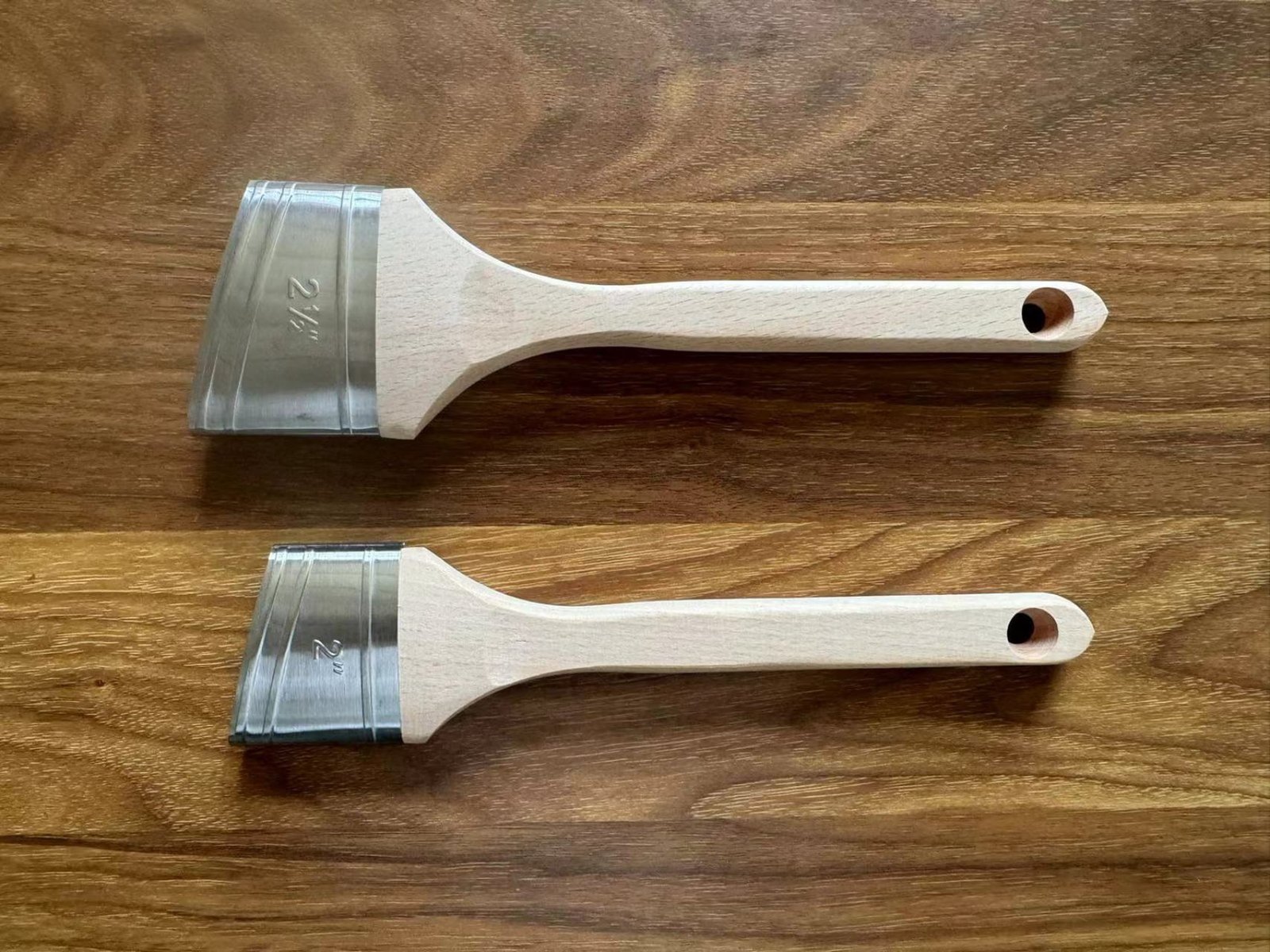
Fitting the customer's ferrule to the finished handle is one of the most critical steps in this business. I learned the exact numbers through years of real orders. Let me share one concrete example.
A Real Example: 2.5-Inch Rat-Tail Handle for a US Customer
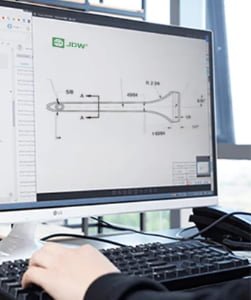
On this handle, the drawing calls for 65.28 mm at the widest point. That is the dimension the handle must hold when it reaches the customer's assembly line. But I never machine both woods to the same size.
| Item | Beech | Birch |
|---|---|---|
| Target width at ferrule seat (on drawing) | 65.28 mm | 65.28 mm |
| My machining size (at the lathe) | 65.4 mm | 65.5 mm |
| Extra allowance | +0.12 mm | +0.22 mm |
| Reason | Stable moisture behavior | Higher humidity response, more shrinkage risk |
Birch takes on and releases moisture faster than beech. So I leave a larger allowance on birch. When the handle arrives at the customer's plant, it still fits tight in the ferrule after the moisture settles.
Shoulder Exposure After Crimping
The exposed distance between the handle shoulder and the ferrule edge also differs by wood. The common industry standard is 5–8 mm of exposure. In my production, beech usually runs toward the larger end of that range. Birch usually runs toward the smaller end. If you switch woods but keep old drawings, tell your supplier. The tooling and the allowance must change together. This is basic wood-moisture physics — the USDA Wood Handbook's chapter on moisture relations explains why different species respond differently to humidity. You can see these allowances applied on a real handle on our 2.5-inch rat-tail paint brush handle product page.
Cost Comparison: What Is the Real Price Gap in Raw Material, Yield & Landed Price?
Every quote you receive hides the raw material math. You see the handle price. You do not see the lumber price behind it. Let me open the books.
In 2026, European beech costs 4,200–5,200 RMB per cubic meter. Birch costs around 3,500 RMB per cubic meter. On the same handle design, this creates a finished price gap of 8–15%. Many of my European and American brush factory customers have already switched to birch.
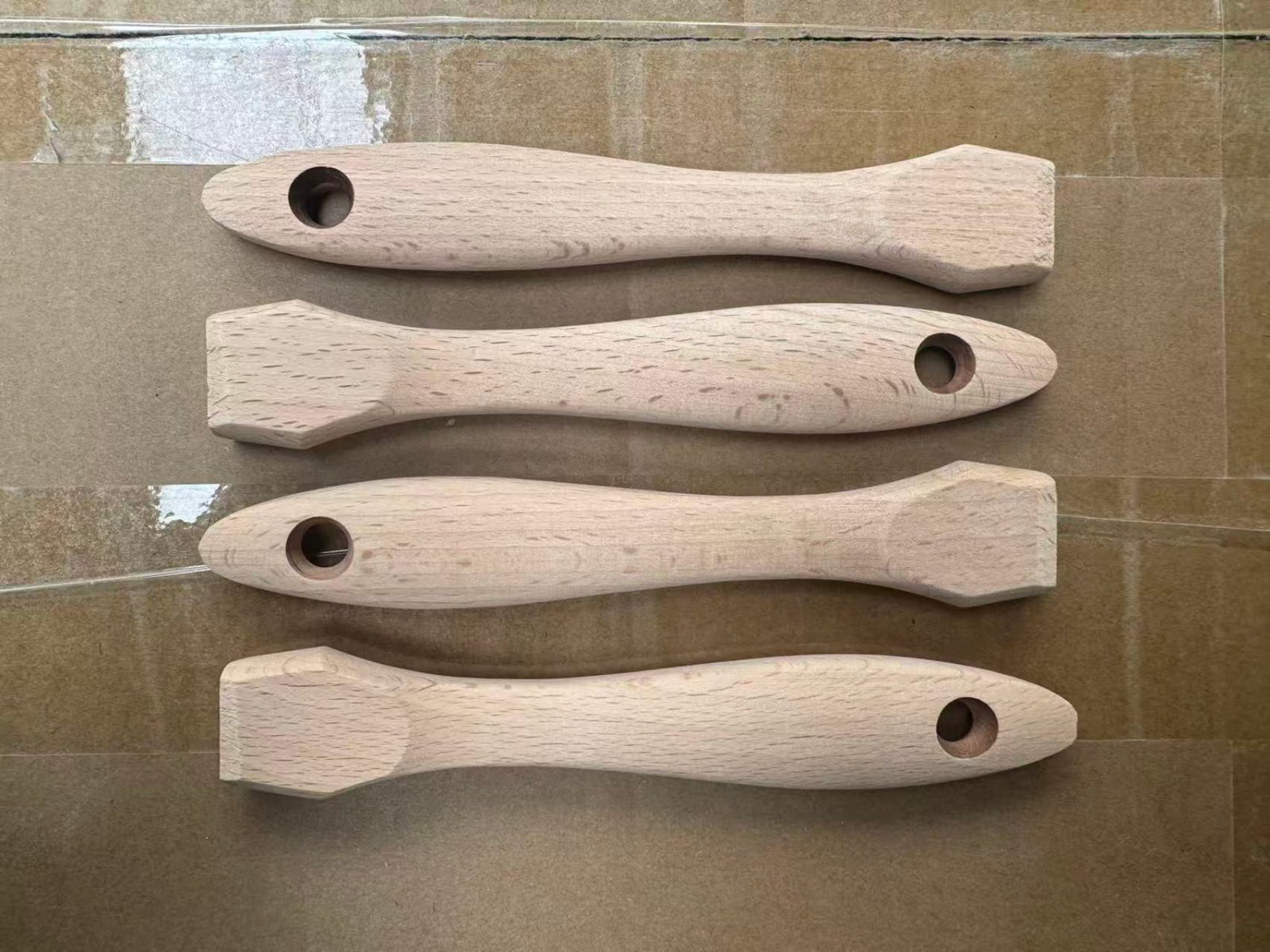
The lumber price is the starting point. But the final gap on your invoice depends on more than the raw cube price. Here is how the numbers flow through my factory.
The 2026 Raw Material Picture
| Cost Item | Birch | European Beech |
|---|---|---|
| Lumber price (per m³) | ~3,500 RMB | 4,200–5,200 RMB |
| Price trend | Relatively stable | Rising for years |
| Finished handle price gap | Baseline | +8–15% |
Why does a 20–50% lumber gap shrink to 8–15% at the handle level? Because lumber is only part of the handle cost. Labor, lacquer, packing, and freight stay the same for both woods. So the wood gap gets diluted. But 8–15% is still a big number. On a container of 100,000 handles, that saving is real money.
Yield Matters Too
Yield differs by wood grade and by handle shape. Straight-grain birch cuts clean on simple shapes. Beech gives steady yield on complex profiles. I match the wood grade to the handle design to protect yield on both. A good supplier should show you this math, not hide it. Ask for the breakdown. You can browse the handle designs we run in both woods on our wooden paint brush handles page, or send us your drawing for a side-by-side quote in birch and beech.
When Should You Switch to Birch — and When Should You Stay with Beech?
A wrong wood choice hurts twice. Choose beech for a budget line and you overpay. Choose birch for a flagship line and you may undersell your brush.
Match the wood to the brush grade. For high-end series, such as brushes with DuPont filaments, I recommend beech. For standard filament brushes under price competition, I recommend birch. Birch delivers 90% of the feel at a clearly lower cost.
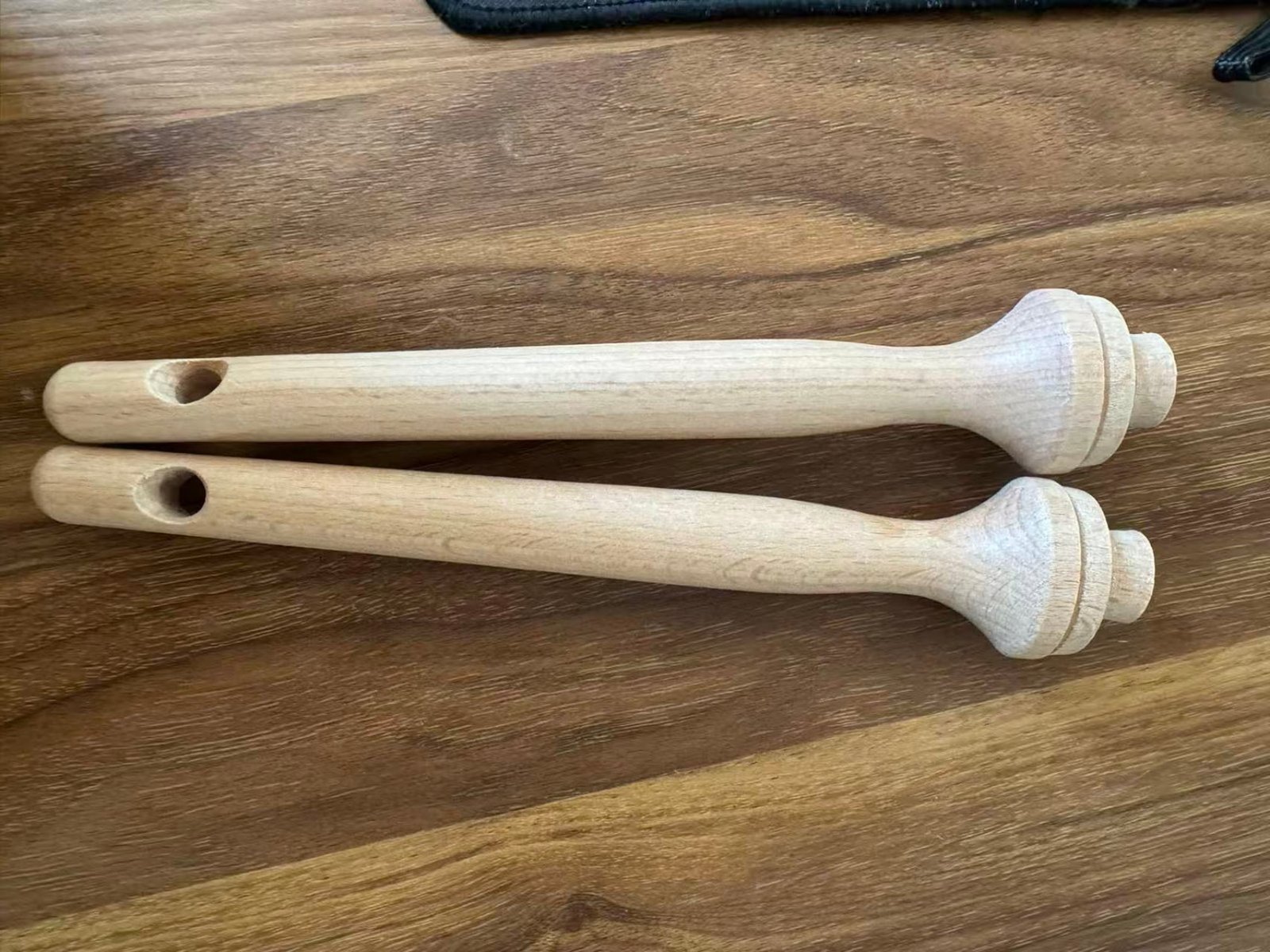
This is the exact rule I give my own customers. I do not push one wood on everyone. The brush series decides the wood. Here is my full decision logic.
My Decision Table
| Your Situation | My Recommendation | Why |
|---|---|---|
| Premium series with DuPont filaments | Beech | The handle must match the filament grade; heft and rain-drop grain support the price point |
| Standard filaments, strong price pressure | Birch | Save 8–15% with no loss in hand feel |
| Mixed product line | Split by series | Beech on top SKUs, birch on volume SKUs |
| Long-term supply security concern | Add birch as a second source | Beech supply swings; birch adds stability |
Think about it from the end user's side. A painter who buys a premium brush inspects everything. The weight, the grain, the finish. Beech rewards that inspection. A painter who buys a mid-range brush cares about comfort and price. Birch wins there.
There is also a supply chain angle. Beech prices have moved up for years. If your whole line depends on one wood, you carry that risk alone. Adding a birch option gives you a second lever in every negotiation. Many of my customers now run both woods side by side. They shift volume between them as prices move. That flexibility is worth as much as the saving itself.
Conclusion
Beech remains the premium choice. Birch matches it in feel at 8–15% lower cost. Match the wood to your brush grade, and adjust ferrule allowances when you switch.
Want to compare both woods on your own handle design? Send us your drawing or current sample — we will quote it in birch and beech side by side, with the ferrule allowance already adjusted for each wood. Request a quote