Bad wood ruins a good brush. Handles crack, paint peels, and assembly lines stop. You need a stable handle to protect your brand and keep production running smoothly.
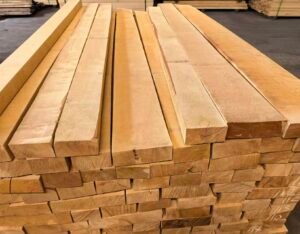
The right wood for paint brush handles depends on your market. Beech offers a premium feel for high-end brushes. Birch and pine provide great value for mid-range tools. Poplar is best for cheap options. Always check moisture levels and tight size limits before you buy.
Many buyers focus only on price, but this mistake can cost you your biggest clients.
What Makes a Good Wood for Paint Brush Handles?
Size changes cause huge headaches. A handle that fits perfectly today might not fit tomorrow. You waste time and money fixing parts that do not match.
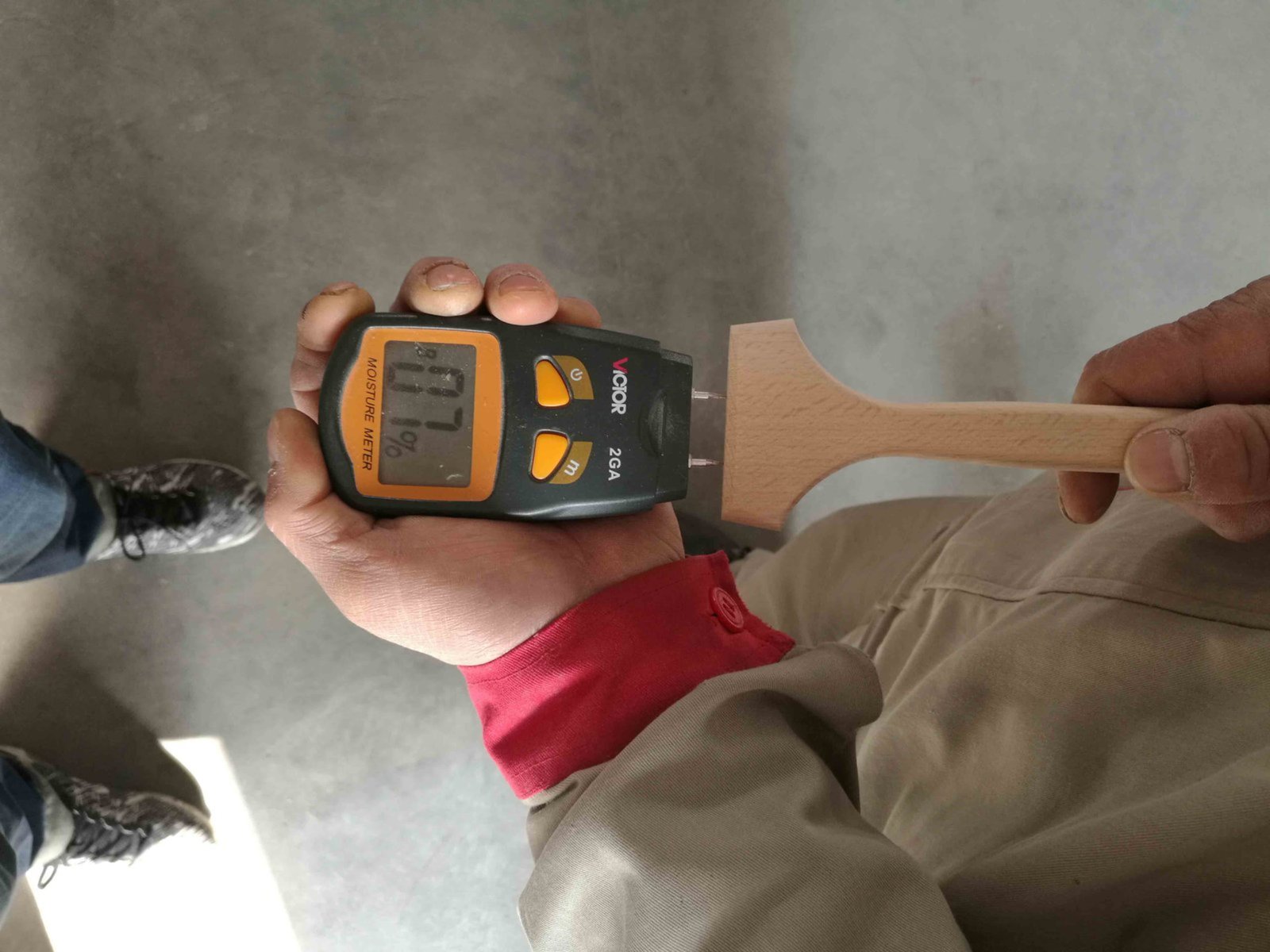
A good wood handle must have strict moisture control and tight size limits. Before production starts, wood moisture must stay low to stop the handle from changing shape. Key sizes must stay within a very small range, like ±0.3mm, to ensure perfect assembly later.
You might think any piece of dry wood works well, but factory conditions tell a different story.
Why Moisture Control Matters Most
In my early days working on the factory floor, I saw many bad brush handles. The biggest reason was poor moisture control. I care about this more than anything else before we make a handle. If the water inside the wood is too high, the size of the handle will change. The wood takes in water from the air and swells. Or it loses water and shrinks. This means the handle you buy will not fit your metal ferrule. A bad fit means your workers cannot build the brush. Your factory line stops. This is a very bad thing for big global brands. We do not allow this to happen in our factory.
The Importance of Strict Tolerances
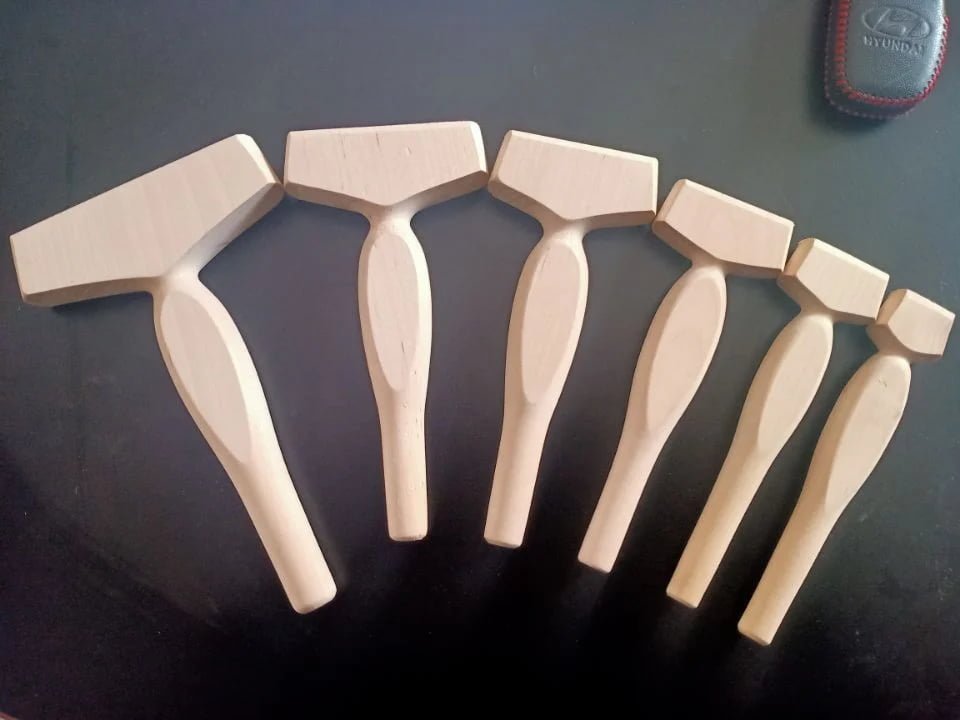
When we ship products to top brands, size changes are not allowed at all. We must keep the key sizes of our paint brush handles within ±0.3mm. You can check our custom wooden brush handles to see this precision. This tight range makes sure your automatic machines can put the brush together without stopping. Many factories in China have a problem called "Quality Fade". They make good parts at first, but later parts get bad. We fix this by focusing on very strict size rules from day one to year ten.
| Feature | Bad Wood Handle | Good Wood Handle |
|---|---|---|
| Moisture Content | High and uneven | Low and controlled |
| Size Limit | ±1.0mm or worse | ±0.3mm |
| Assembly Result | Parts do not fit | Perfect fit every time |
| Long-term Shape | Warps and cracks | Stays straight and strong |
Which Wood Species Are Most Commonly Used for Paint Brush Handles?
Trying to guess the right wood type is risky. Pick the wrong one, and your brush feels cheap. You lose buyers who want a quality tool.
In my 20 years of experience, factories mostly use four wood types for brush handles: beech, birch, poplar, and pine. Beech and birch are hard woods used for top and mid-level brushes. Poplar and pine are soft woods best for low-cost, everyday brush options.
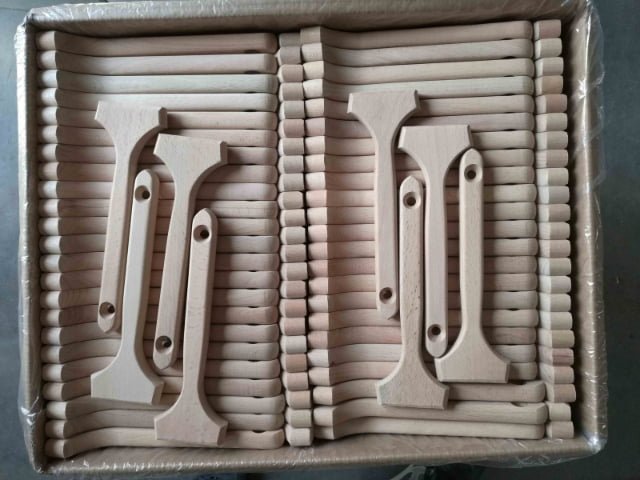
Picking a wood name from a list is easy, but understanding how each wood acts during production is much harder.
Hardwood Choices for High-End Markets
We use beech and birch for clients who want a premium look and feel. These woods are hard and heavy. They take paint and clear coats very well. When you hold a beech handle, it feels smooth and strong. This is why top brands choose it. You can see more options on our premium wooden components page. Product managers often feel sad when cheap factories cannot make a premium finish. I know how to fix this aesthetic gap. Birch is also very good. It is a bit lighter than beech, but it is strong. It is a great choice for brands that want good quality without paying the highest price.
Softwood Choices for Everyday Use
Poplar and pine are soft woods. They grow fast and cost less. Poplar is very light. This makes it good for cheap, throwaway brushes. But poplar does not look very rich. Pine is a bit stronger and has a nice wood grain pattern. I often tell buyers to use pine if they want to save money but still need a good looking product. Technical leaders care about how the wood acts in different weather. Pine acts very well if the factory dries it right. We always test these woods to make sure they do not warp.
| Wood Type | Wood Category | Cost Level | Best Market Use |
|---|---|---|---|
| Beech | Hardwood | High | Luxury and premium brushes |
| Birch | Hardwood | Medium | Mid-range to high-end brushes |
| Pine | Softwood | Low | Budget friendly but nice looking |
| Poplar | Softwood | Very Low | Cheap, throwaway brushes |
Beech vs Birch vs Pine: Which One Is Better?
Do you feel stuck between quality and cost? Paying too much hurts your profits. Paying too little hurts your brand reputation.
There is no single best wood, only the best match for your needs. Beech is the most beautiful and high-end, but it costs more. Birch and pine are great for the mid-range market because they mix good price and stability.
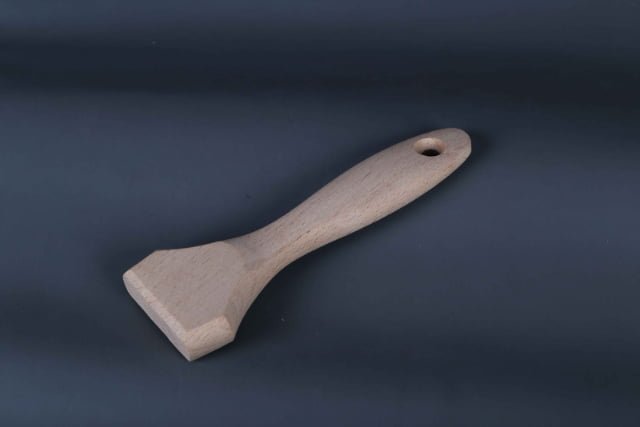
Many people ask me to just tell them the best wood, but the real answer depends on the bristles you choose.
Matching Wood to Your Target Market
In my mind, a perfect wood does not exist. We only have the most suitable wood for what your customer needs. The highest grade wood for a paint brush handle is beech. It has the best look and feels expensive. But its price is high. For the middle market, I strongly suggest birch and pine. They give you a great balance. They do not cost too much, and they stay very stable during use. A global sourcing director wants supply chain security. If you pick birch or pine, we can find large amounts of this raw material very fast. This means your supply chain stays safe and never breaks.
The DuPont Bristle Rule
If you make brushes with high-quality DuPont bristles, you must use beech wood. High-end bristles need a high-end handle. If you put expensive bristles on a cheap pine handle, the user will feel the mismatch. The whole brush will seem cheap. Check out our high-end custom wood packaging to see how we match premium materials together. The product must feel right in the user's hand. I always help my clients match their design goals with our factory skills. This removes the risk of making an ugly product. We do the thinking for you.
| Feature to Compare | Beech Wood | Birch Wood | Pine Wood |
|---|---|---|---|
| Visual Beauty | Very high and rich | Good and clean | Basic with strong grain |
| Factory Price | Expensive | Fair | Cheap |
| Best Bristle Match | DuPont or premium hair | Standard synthetic | Basic synthetic or low-end hair |
| Weight in Hand | Heavy and solid | Medium | Light |
How Does Moisture Resistance Affect Handle Quality?
Sea freight can destroy your wooden handles. Salty, wet air gets into the containers. Your handles swell, and you cannot assemble your brushes.
Wood easily absorbs water on long boat trips. If factory workers do not seal the boxes well and add drying agents, the handle head will grow wider. This small change stops your machines from fitting the brush head onto the wood handle.
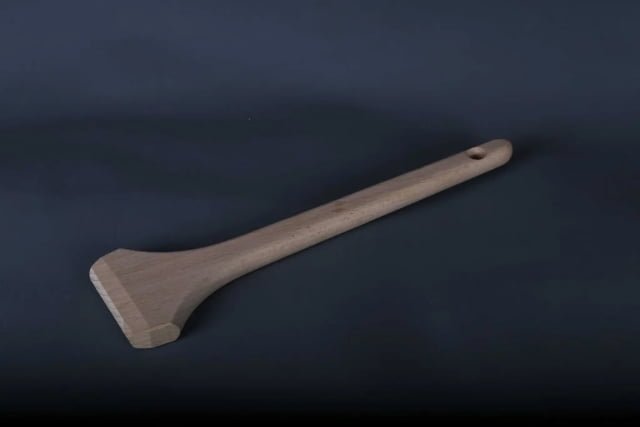
A small mistake in packing can ruin a whole container of goods before it even reaches your port.
The Danger of Ocean Shipping
When we ship containers across the ocean, keeping the handles dry is a matter of life or death for the order. The air at sea is very wet. If your handles are not sealed in plastic with strong drying bags, they will take in water. The top part of the handle will get wider. When your workers try to put the metal ferrule on the wood, it will not fit. This breaks your automated assembly lines. Technical leaders hate this problem. They need precision. We solve this by adding heavy moisture protection to every box. You can read more about basic international shipping standards here to understand why this matters.
The 3-Inch Handle Example
From my years of managing production, I know the 3-inch handle has the biggest problems with wet air. Our standard size for the head width of a 3-inch handle is 78.10mm. If it gets wet during shipping, it can grow up to 78.80mm. This is a huge change and it is very crazy to see. A change of 0.70mm means the brush is dead. To avoid this, we use strict packing rules. We control the water inside the factory, and we control the water inside the shipping box. You can learn about our safe shipping methods on our manufacturing solutions page. We promise your parts will arrive exact and ready to use.
| Handle Condition | Moisture Level | Head Width (3-inch handle) | Result on Assembly Line |
|---|---|---|---|
| Factory Standard | Below 10% | 78.10mm | Perfect automatic fit |
| Slight Sea Moisture | 12% to 15% | 78.40mm | Tight fit, requires hand force |
| Heavy Sea Moisture | Above 15% | 78.80mm | Total failure, parts do not fit |
What Should Buyers Check Before Placing a Bulk Order?
Trusting a new factory is scary. They might send bad parts after the first good sample. You need real proof they can do the job right.
Always check if large clients trust the factory. Ask for a size limit of ±0.3mm and a wood moisture level under 10% before cutting begins. Check their inspection plan. A good factory tests sizes four times a day and gives a full report before shipping.
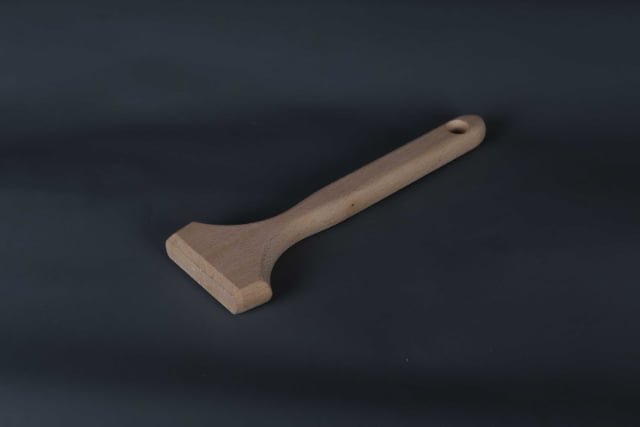
Looking at a nice sample is not enough to promise a good delivery for a big order.
Look for Big Brand Trust
First, you must ask if big companies trust the factory. For example, my factory is the chosen supplier of paint brush wooden handles for Sherwin-Williams in China. This shows we know how to handle big orders with zero mistakes. Big brands do hard tests on factories. They check our environmental rules and our labor rules. If they trust the supplier, you can feel safe too. A global supply chain boss does not want risks. Working with a proven factory is the best way to remove risk.
Demand Clear Process Checks
Before production starts, you must demand that the wood has less than 10% water inside. Then, check their testing plan. In my factory, we have a very strong process. We write down the sizes of the handles at least four times a day. We check in the morning, in the afternoon, and do two random checks. This proves our machines stay accurate all day long. If a tool gets dull, we catch it fast. We never pass a bad part to the next step.
Final Shipping Reports
Before we put the handles in boxes, we check every single one. We do not just check a few. We look at all of them. We give our buyers a report that meets world rules. This report shows size records and photos. We even take a video of us testing the handle with a brush head. This proves the parts work perfectly before they get on the boat. We act as your eyes in the factory.
| Inspection Step | What We Do | Why It Helps You |
|---|---|---|
| Pre-Production Check | Test wood moisture (<10%) | Stops warping and cracking later |
| Daily Factory Check | Measure parts 4 times a day | Keeps sizes within ±0.3mm all day |
| Full Packing Check | Look at 100% of the handles | Removes any ugly or broken handles |
| Pre-Shipment Report | Send photos, sizes, and video | Gives you peace of mind before shipping |
Conclusion
Choosing the right wood means managing moisture, picking the best species, and controlling sizes. Find a trusted factory partner to keep your brand safe and your lines moving.