The EUDR deadline is coming. Non-compliant wooden handle shipments will be blocked at EU customs. Fines reach 4% of your EU turnover. Most buyers are still not ready.
EU buyers of wooden brush handles must prepare geolocation data of the forest source, a full document chain from forest to factory, and a due diligence statement before the EUDR deadline of December 30, 2026 for large companies. Your Chinese supplier must provide traceability files before production starts, not after shipment.
I run a wooden handle factory in China. I have exported brush handles to Europe for 30 years. Over the past two years, my EU customers have asked me one question more than any other: "Can you support EUDR?" The honest answer from most factories is silence. In this article, I will walk you through exactly what EUDR means for wooden handles, who carries the legal duty, what documents to demand, and how my factory builds the traceability chain in practice. Let's start with the most basic question.
Does EUDR Apply to Your Wooden Handles?
Many buyers hope their product falls outside the scope. They ask if machining or lacquering changes the rule. This hope wastes precious preparation time.
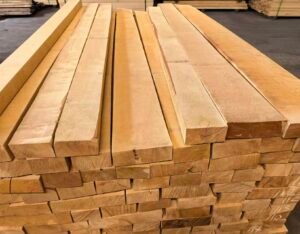
Yes. Almost all wooden paint brush handles exported to the EU fall under EUDR. It does not matter what cutting, turning, or surface treatment the wood went through. Wooden handles ship under HS Code 44170090, and this code is listed in the EUDR product annex.

Let me be direct about this. I have seen buyers spend months hoping for an exemption that does not exist. The regulation works by HS code, not by how processed the wood looks.
How the HS Code Decides Everything
My factory exports paint brush handles under HS Code 44170090. This code covers tools, tool bodies, tool handles, and broom or brush bodies and handles of wood. The EUDR annex lists Chapter 44 wood products broadly. If your customs code is 44170090, you need compliance.
| Question Buyers Ask | Answer |
|---|---|
| "The handle is lacquered. Exempt?" | No. Surface treatment does not remove EUDR scope |
| "The handle is fully machined, not raw wood. Exempt?" | No. Processing level does not matter |
| "We import small volumes. Exempt?" | No. Volume affects your operator category, not the scope |
| "The wood is FSC certified. Exempt?" | No. FSC helps but does not replace EUDR due diligence |
The last row surprises people the most. FSC certification is strong evidence. But EUDR demands its own due diligence statement with geolocation data. Certification supports the statement. It does not replace it. If you buy any wooden component from China, assume EUDR applies until your customs broker proves otherwise. You can verify the full product scope yourself in the official text of Regulation (EU) 2023/1115, which lists the covered HS codes in Annex I. You can also check the scope of our export products on our paint brush handle product page.
Who Is Responsible for EUDR Compliance?
Buyers often assume the supplier carries the legal duty. Suppliers assume the buyer handles it. This gap is where shipments get stuck.
The EU importer holds the legal responsibility under EUDR. You, the buyer, must file the due diligence statement. But you cannot do this without your supplier. The supplier must build the traceability chain from the forest to the finished handle and hand you the proof.

The law puts the duty on the EU operator. That is you. But in practice, compliance is built in China, at the factory level, before a single handle is turned. Let me show you how my factory does it.
How I Build Compliance from the First Inquiry
When a customer sends me an inquiry and tells me they need EUDR-compliant timber, I start the traceability work from zero. I do not pull wood from my general stock. Here is my process.
| Step | Action | Who Does It |
|---|---|---|
| 1 | Customer confirms EUDR requirement in the inquiry | Buyer |
| 2 | I source fumigated boards from a Chinese timber importer who provides the full document set | My factory |
| 3 | The importer hands me the complete standard file package | Timber importer |
| 4 | I send these files to the customer for review | My factory |
| 5 | Customer confirms the documents are acceptable | Buyer |
| 6 | Only then do I purchase the material and start production | My factory |
Notice the order. The customer confirms the documents before I buy the wood. This way, traceability starts from the log, not from the finished handle. Many factories do this backward. They produce first, then scramble for papers. Those papers rarely hold up. Ask your supplier one question: "Do you confirm origin documents with me before purchasing material?" The answer tells you everything. Learn more about our sourcing process on our custom wooden handle solutions page.
What Documents Should Buyers Request from a Wooden Handle Supplier?
Vague promises of "we have certificates" mean nothing at customs. You need a named list. Most buyers do not know what to ask for.
Request the full chain: forest farm coordinates, FSC certificates at every stage, logging and land ownership documents, transport documents, sawmill purchase invoices, and the sawmill business license. A serious supplier provides these before production starts, not after you pay.
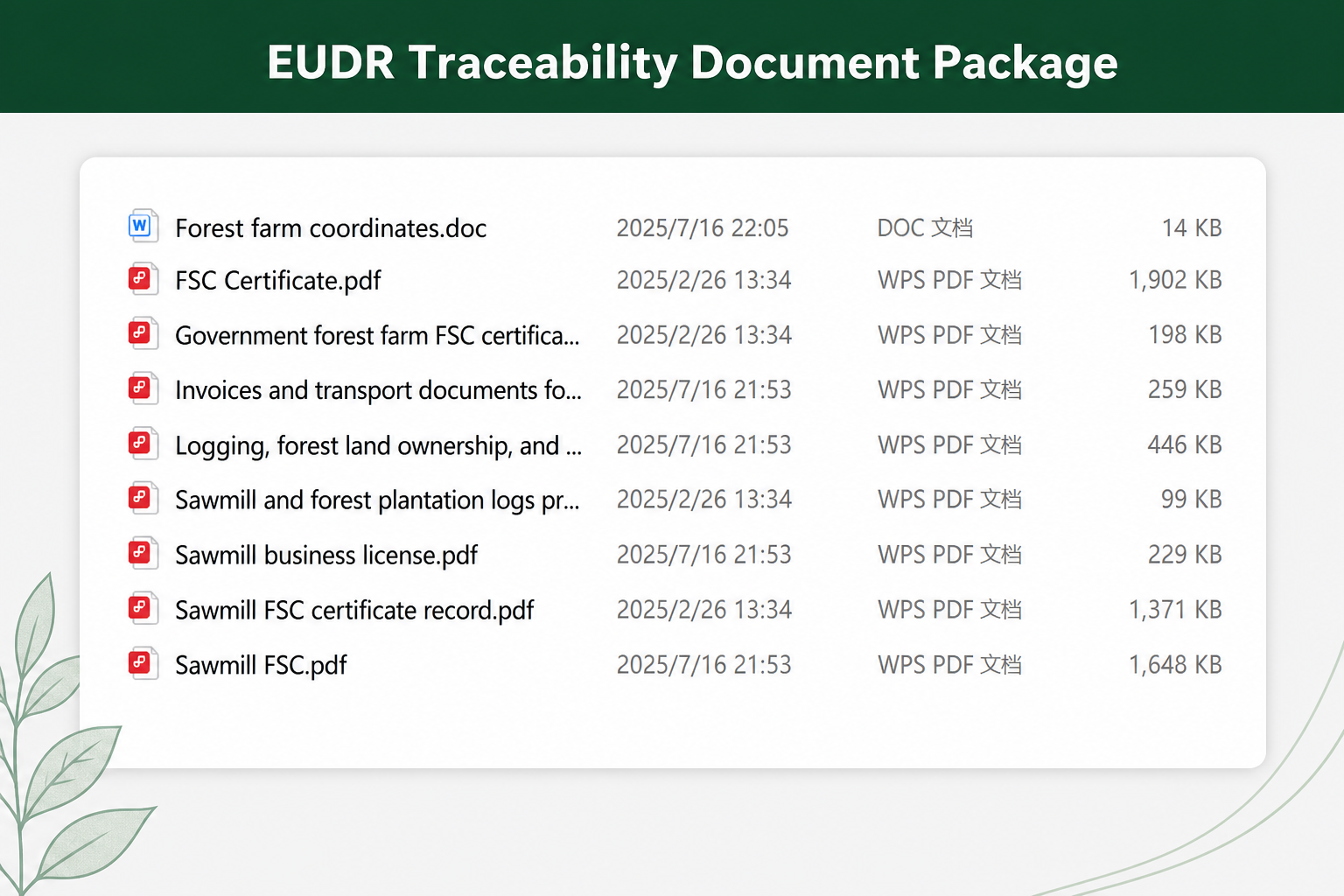
I provide a fixed document package to my EUDR customers before production. I will list it here in full. Print this section. Send it to your supplier. See what comes back.
The Complete Document Checklist
| Document | What It Proves |
|---|---|
| Forest farm coordinates (geolocation) | The exact plots where the trees grew — the core EUDR data point |
| FSC certificate | Certified forest management at the source |
| Government forest farm FSC certificate records | Official registry confirmation of the forest certificate |
| Logging, forest land ownership, and transport documents | Legal harvest and legal movement of the logs |
| Invoices and transport documents for sawmill log purchases | The link between forest and sawmill |
| Sawmill log procurement records | Volume matching between logs in and boards out |
| Sawmill business license | The sawmill is a legal, registered entity |
| Sawmill FSC certificate and registry record | Chain of custody continues through processing |
The geolocation coordinates matter most. EUDR requires plot-level coordinates for every commodity. Without coordinates, all other papers are decoration. Also check that the documents connect. The sawmill invoice must name the same forest farm shown in the coordinates. The transport document must match the invoice dates. A broken link anywhere breaks the whole chain. When I hand this package to my customers, their compliance team can file the due diligence statement directly. If any document confuses you, check the European Commission's official EUDR FAQ, which the Commission updates as new questions come in. You can also request a sample document package through our EUDR compliance page.
How Can Wooden Handles Be Traced Back to the Timber Source?
Papers can be forged. Stock can be mixed. The real question is not whether documents exist. It is whether the wood in your handle matches the wood in the file.
Traceability works when the supplier buys EUDR material per order, not from mixed stock. My factory does not keep EUDR raw material in storage. I purchase it only against a confirmed order. This locks one document chain to one production batch, with no risk of material mix-up.
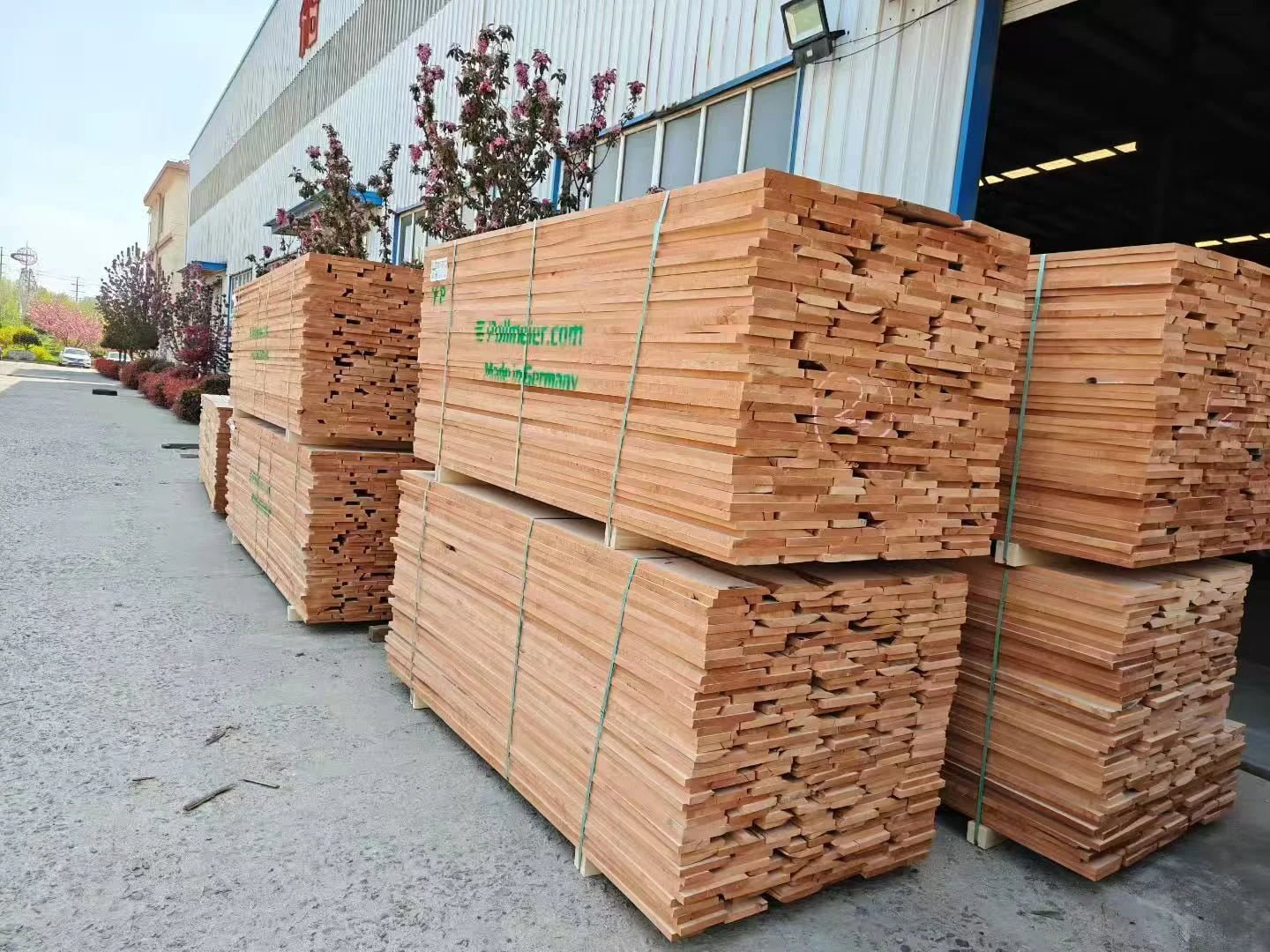
This point separates real compliance from paper compliance. Let me explain the economics behind it, because the economics drive the honesty.
Why I Do Not Stock EUDR Material
EUDR-compliant timber with full documentation costs about 15% more than standard market material. That premium is real. If I stocked it in bulk, two problems would appear.
| Approach | Risk |
|---|---|
| Bulk stocking of EUDR material | Compliant and standard boards sit in the same warehouse; workers can grab the wrong stack; documents no longer match the actual wood |
| Order-based purchasing (my method) | Material arrives against one order, goes to one production line, ships as one batch; the document chain maps to the physical goods one-to-one |
Order-based purchasing has a second benefit. The documents are fresh. The purchase invoice, the transport record, and the production date all fall within the same window. When an EU authority audits your due diligence statement, a tight timeline is easy to defend. A two-year-old stock document tied to a recent shipment invites questions.
Yes, this method means a slightly longer lead time. I need to procure the material after your order confirmation. I tell my customers this openly. A supplier who promises EUDR compliance with instant shipment from stock deserves a hard second look. Ask them how they separate compliant and non-compliant material physically. Watch how they answer. See how we manage material flow on our birch brush handle product page.
What Should EU Buyers Do Before the EUDR Deadline?
Waiting until late 2026 is a plan for failure. Document chains take weeks to assemble. Supplier vetting takes longer. The buyers who prepare now will keep shipping without interruption.
Confirm your supplier can deliver the document package now, run one test order under full EUDR procedure, and archive every file. My factory sends timber documents right after material purchase, states traceability on the shipping invoice, and keeps an internal record after every shipment.
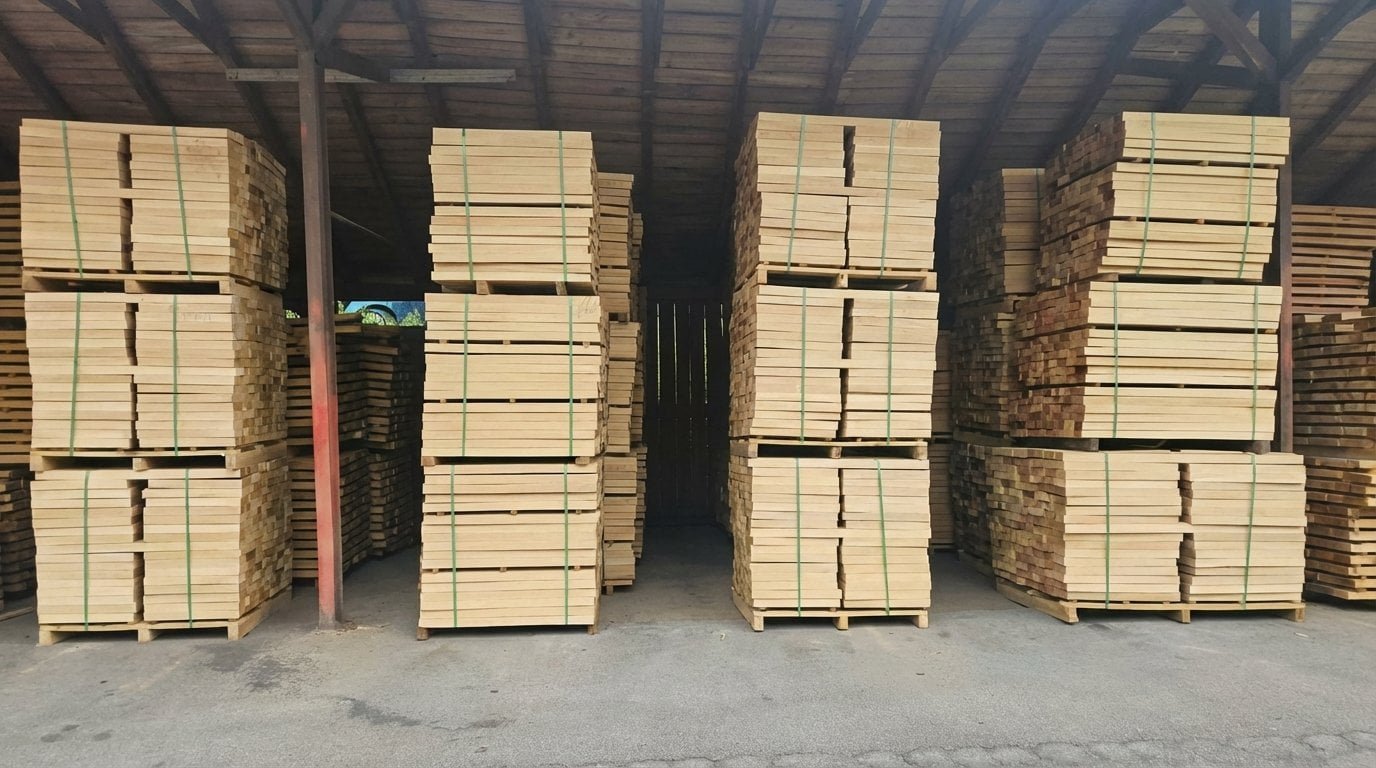
Let me describe my standard workflow for EUDR orders. Then I will turn it into an action list for you. The deadline for large companies is December 30, 2026. Smaller companies get additional time, but the system is the same.
My Three-Stage Document Workflow
| Stage | Timing | What I Do |
|---|---|---|
| After material purchase | Weeks before production | I send all timber mill and forest documents to the customer immediately |
| At shipment | With the goods | I state the traceability reference on the commercial invoice |
| After delivery | Post-shipment | I file the complete record internally for future audits |
This rhythm gives you documents when you can still act on them. If something looks wrong in the forest papers, we solve it before the handles exist.
Your Action List Before the Deadline
First, audit your current suppliers. Send them the document checklist from this article. Give them two weeks. Silence is an answer. Second, run a pilot order under the full EUDR procedure. A small order exposes every gap cheaply. Third, set up your archive. EUDR requires you to keep due diligence records for five years. Fourth, register in the EU information system and practice filing a due diligence statement before it becomes mandatory for your shipments. The buyers who treat 2026 as a project, not a date, will win the shelf space that unprepared competitors lose. If you want to run a pilot EUDR order with us, start from our beech brush handle product page.
Conclusion
EUDR covers all wooden handles under HS 44170090. The importer holds the duty, but the supplier builds the proof. Demand the full document chain, test it now, and beat the 2026 deadline.