What B2B Buyers Should Check Before Ordering Custom Paint Brush Handles?
Sourcing custom wood handles can feel risky. Bad tolerances halt assembly lines, costing you time and money. I will show you exactly what to check before placing your next order.
B2B buyers must verify precise tolerances, moisture content levels, and material stability before ordering custom paint brush handles. Checking these details ensures smooth automated assembly and prevents wood warping during ocean freight. This saves your brand from costly delays.
You might think any factory can shape a piece of wood. But wait until you see how a tiny moisture mistake destroys a whole shipment.
What Should Buyers Confirm Before Sending a Custom Handle Inquiry?
Most buyers send incomplete inquiries. This leads to endless emails and delayed quotes. You need a better way to start the conversation with your manufacturer.
Buyers should confirm dimensions, material choices, tolerance limits, and moisture rules before sending an inquiry. But a good supplier will use basic photos and sizes to research your local market. They will give you material options for premium or economy products.
The Reality of Buyer Inquiries
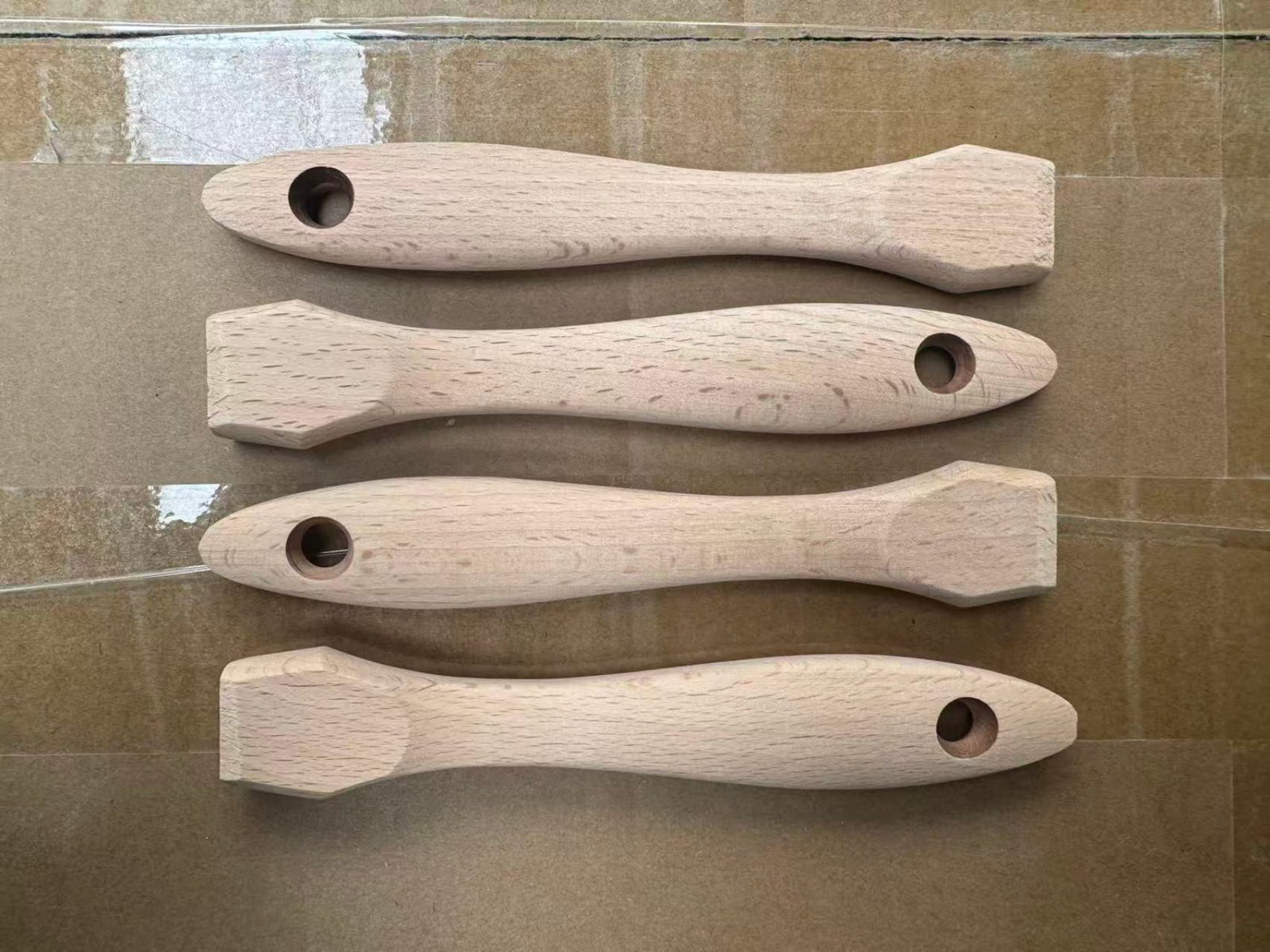
As a manufacturer of custom wooden handles, I always hope to receive drawings or sample pictures in client inquiry emails. In a perfect world, buyers would provide detailed size information, material needs, tolerance ranges, and moisture limits. I love seeing these details. They show me that the buyer understands the technical side of wood.
But the truth is different. Procurement managers rarely have complete information. Most inquiry emails I receive only contain a basic size and a photo of a paint brush handle. Many factory salespeople will write back and ask a long list of questions. They bother the customer for information the customer does not have. I do not do this. I do not ask my clients the same questions over and over again.
How I Help Customers Find the Right Material
Instead of asking questions, I investigate the local market of my customer. I look at what products sell well in their country. Then, I give the customer a few different plans to choose from. This saves time and builds trust.
For example, if a customer wants a high-end series, I recommend Beech wood. Beech is strong and heavy. We can achieve a very tight tolerance of ±0.25mm with Beech. We also control the moisture content of Beech to 8-10%. This strict control completely satisfies the automated assembly needs of the customer. In fact, our wood handles pass the strict tests of MGG brush making machines in Europe.
If the customer wants an economy option, I recommend Birch wood or Rubberwood. These are also hardwoods. They offer good stability. They do not look cheap. I always tell buyers to avoid Poplar wood for premium lines. Poplar is a softwood. It has poor stability. It makes the final product feel low quality in the hand.
Material Comparison for Paint Brush Handles
| Material Type | Wood Category | Stability Level | Best Application | Quality Feel |
|---|---|---|---|---|
| Beech | Hardwood | Very High | Premium Brands | Heavy, Luxury |
| Birch | Hardwood | High | Mid-Range Brands | Solid, Smooth |
| Rubberwood | Hardwood | High | Eco-Friendly Lines | Solid, Warm |
| Poplar | Softwood | Low | Cheap Economy Lines | Light, Cheap |
You can learn more about standard material properties on [external link: international wood databases]. I always use this data to guide my clients toward the safest choice.
Which Specifications Most Affect Custom Paint Brush Handle Quality?
Large handles often warp during shipping. This ruins your product and wastes your budget. You must control specific details to keep your wood stable.
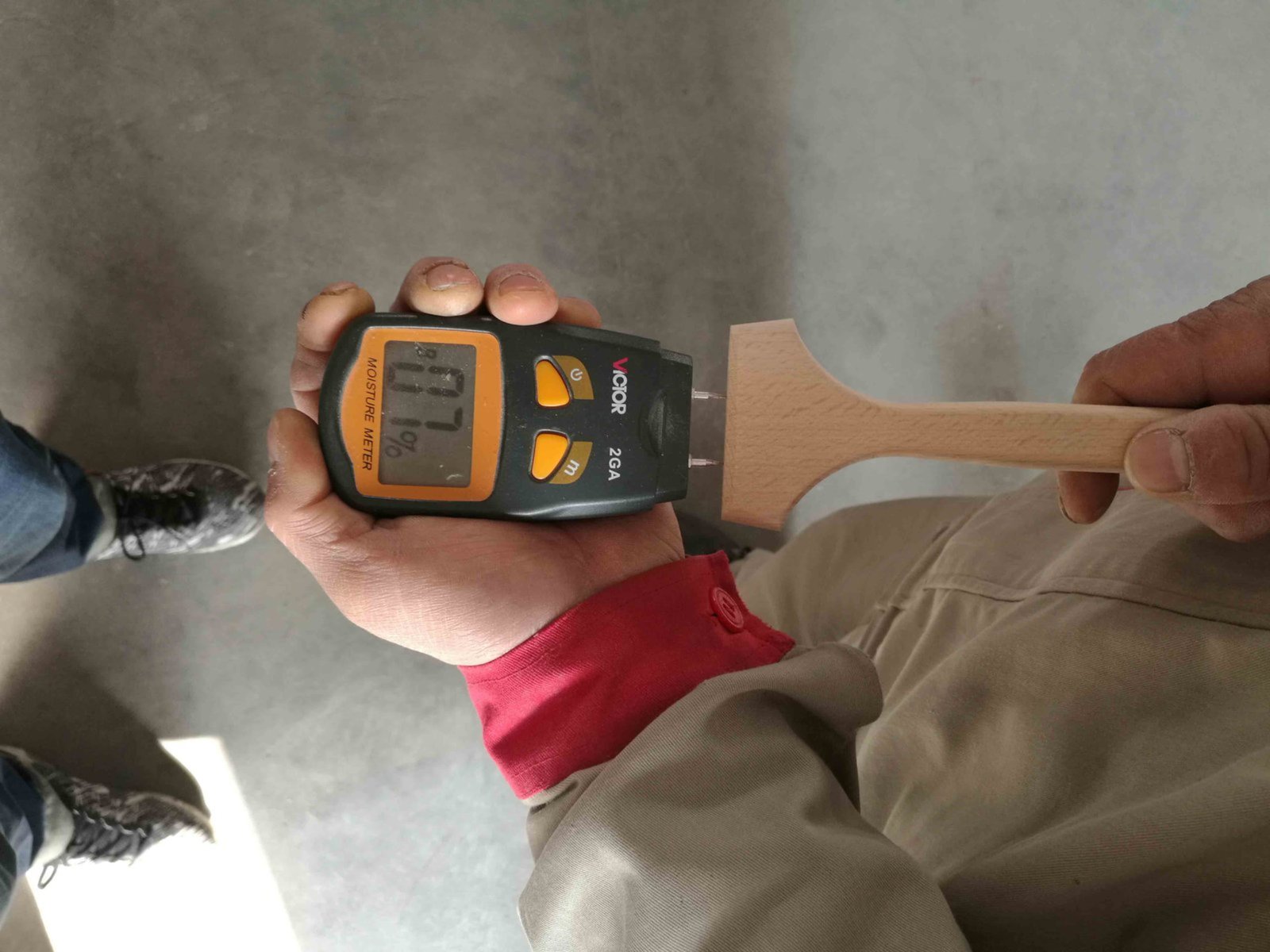
Moisture content and physical size are the most critical specifications for paint brush handles. Three-inch and four-inch handles absorb humidity fast. Factories must control wood moisture to 8-10% before production. We use sealed bags and desiccants for ocean shipping to protect the wood.
Why Big Handles Have Big Problems
Generally speaking, the 3-inch and 4-inch handles face the biggest risks. The reason is simple. These handles have a large physical size. A larger piece of wood has more surface area. More surface area means the wood reacts faster to humidity in the air.
I started my career on a woodworking factory floor in 1994. I watched large pieces of wood bend and crack when the weather changed. Wood is a natural material. It acts like a sponge. It breathes in water from the air. When a 4-inch handle absorbs too much water, its size changes. A change of just 0.5mm will stop a fast assembly machine. This causes a huge headache for a busy product manager.
My Factory Moisture Control Process
We solve this problem at the very beginning. The practice in our wood manufacturing solutions factory is strict. We control the moisture tightly before we start cutting. We put the raw wood in drying kilns. We measure it every day. We make sure the wood moisture stays exactly between 8% and 10%. This is the perfect balance for stability.
But drying the wood is only half the job. After we finish processing and sanding the handles, we face a new danger. This danger is ocean freight. Almost all of our export goods travel by sea. The ocean environment is very wet and salty. A cardboard box cannot stop ocean moisture.
How We Pack for Safe Ocean Shipping
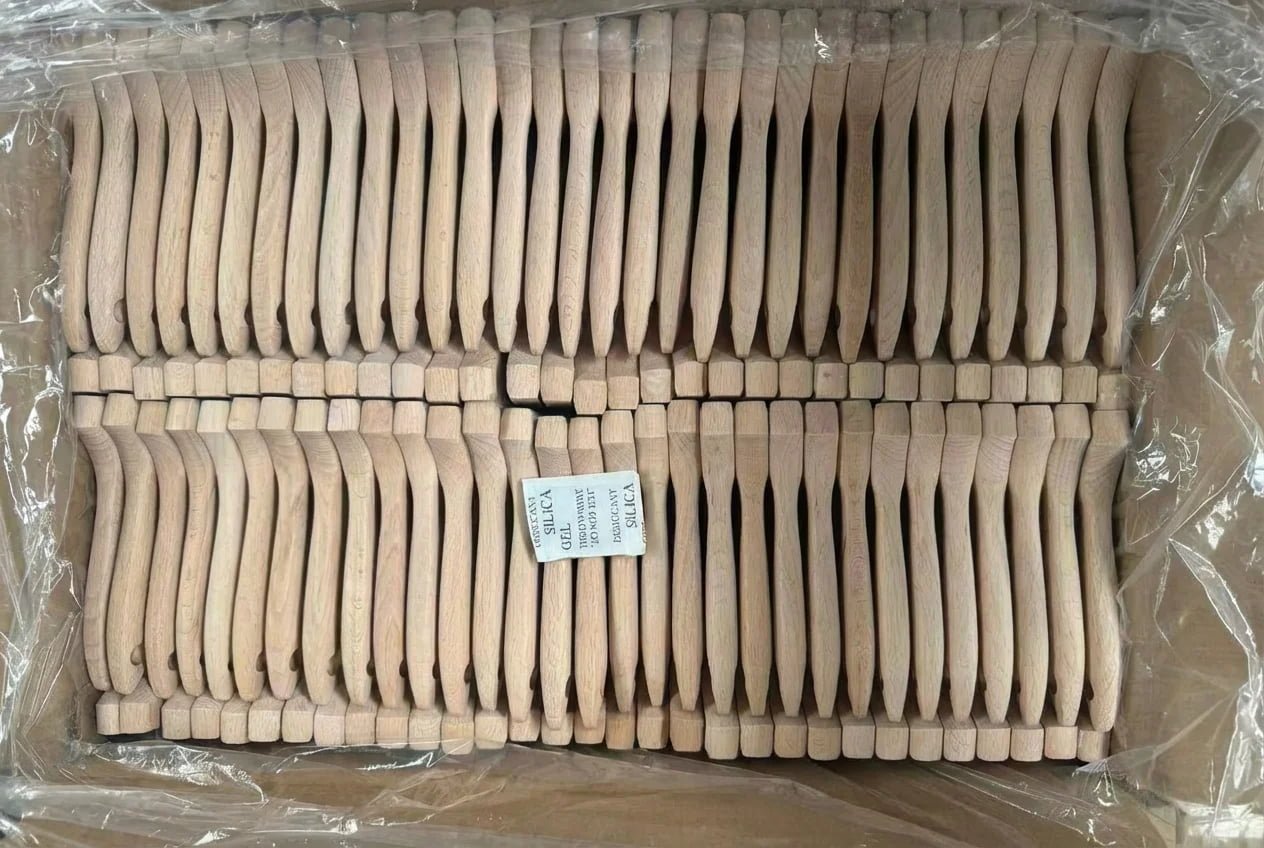
To fix this, I add special packing steps. I put heavy-duty sealed plastic bags inside every cardboard carton. I also put industrial desiccants inside the bags. Then, we seal the bags tight. This completely isolates the wood handles from the humidity of the environment. We must block the ocean humidity from reaching the wood. If we do not do this, the hard work of our factory is lost.
Impact of Moisture on Handle Size
| Handle Size | Moisture Level | Size Change Risk | Assembly Result |
|---|---|---|---|
| 1 Inch | 8-10% | Very Low | Smooth Assembly |
| 3 Inch | 8-10% | Low | Smooth Assembly |
| 3 Inch | 14%+ | High (expands) | Machine Jam |
| 4 Inch | 14%+ | Very High (warps) | Product Failure |
You can read more about the risks of sea freight humidity on Global Shipping Guide.
How Should Buyers Evaluate Material, Size, and Finish for B2B Orders?
Choosing the wrong finish makes your brush feel cheap. Consumers will ignore your product on the shelf. You need the right combination of material and sanding.
Buyers should choose hardwood like Beech or Birch for high quality. You can choose softwood like Pine for budget options. Common sizes are 1 to 3 inches. You must check the sanding process. We use 180-grit coarse sanding and 240-grit fine sanding for a perfect surface.
Choosing Hardwood Versus Softwood
Usually, buyers select from four regular materials for paint brush handles. If you want hardwood, you generally choose Beech or Birch. If you want softwood, you generally choose Poplar or Pine.
However, the market is changing right now. Recently, many of my clients are trying to use Rubberwood to replace Beech. Rubberwood is a very smart choice. It grows fast, so it is good for the environment. It is also a hardwood, so it is strong. It costs a little less than Beech. I test Rubberwood in my factory often. It performs very well for bespoke wooden components.
Standard Handle Sizes in the Market
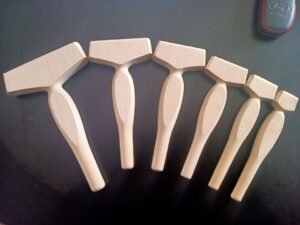
When you plan your product line, you need to know the standard market sizes. The regular sizes generally fall into five categories. They are 1 inch, 1.5 inch, 2 inch, 2.5 inch, and 3 inch. Sometimes customers ask for 4-inch handles for special wall painting brushes. Knowing these sizes helps you design your packaging and retail displays early.
The Importance of the Sanding Process
The surface treatment is just as important as the wood material. I always tell my clients about our sanding rules. A bad sanding job leaves sharp edges and rough spots. When a professional painter holds a rough handle all day, their hand hurts. They will not buy your brand again.
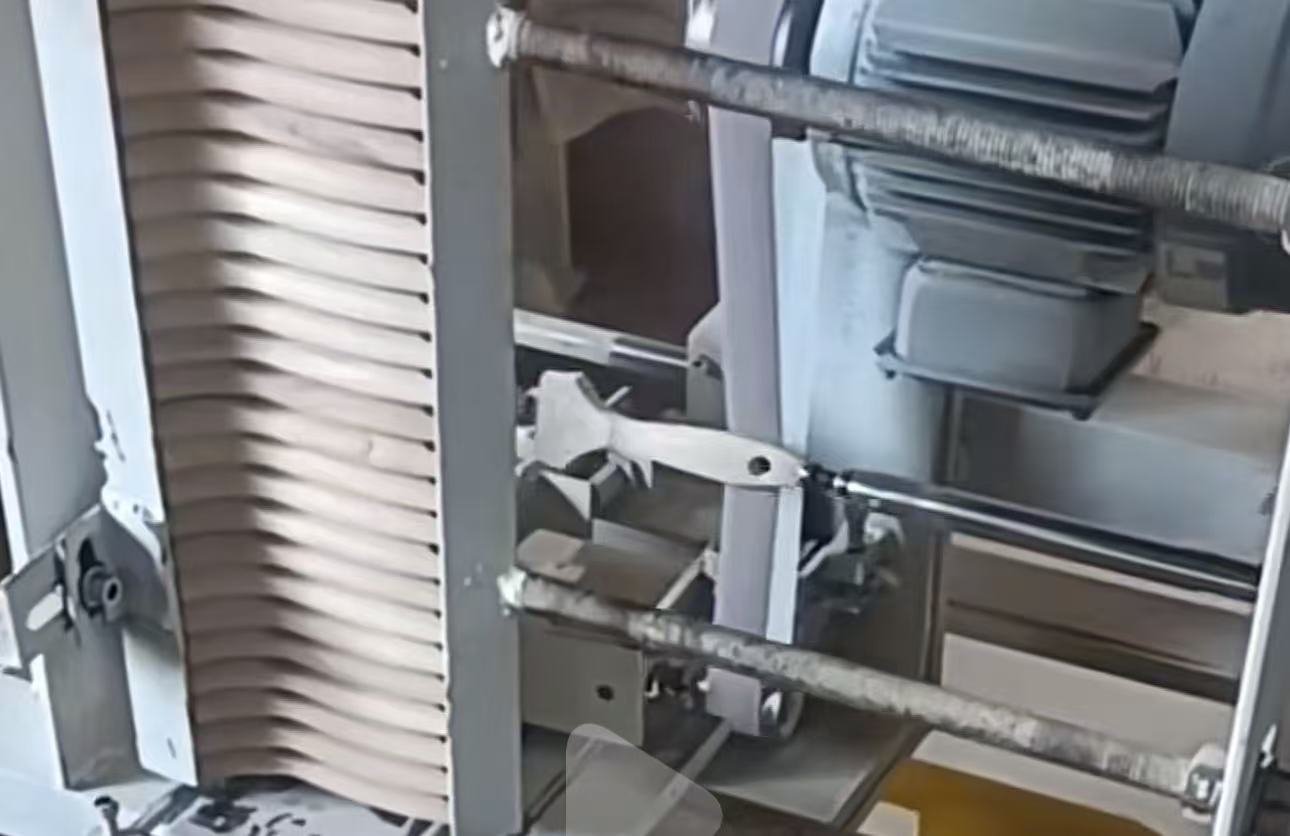
During our sanding process, we divide the work into two steps. First, we do coarse sanding. Second, we do fine sanding. For the coarse sanding, we use 180-grit sandpaper. This removes the big marks from the cutting machines. For the fine sanding, we use 240-grit sandpaper. This step polish the wood. This double process guarantees a more perfect surface treatment. When consumers use the brush, they will feel much more comfortable.
Sanding Process Breakdown
| Sanding Step | Sandpaper Grit | Purpose | Final Result |
|---|---|---|---|
| Step 1 | 180 Grit | Remove machine tool marks | Basic shape is smooth |
| Step 2 | 240 Grit | Polish the wood fibers | Perfect tactile feel |
What Sample and Approval Details Should Buyers Check First?
Checking one sample handle is a huge risk. You cannot see the factory's real capability from one piece. You must test for consistency across a batch.
Buyers must measure the stability of critical dimensions across many samples. You should ask for at least 12 sample handles for every size. If the sizes jump up and down, the supplier is bad. Poor precision control will stop your automated assembly lines later.
The Ten-Year Industry Secret
I will share a secret with you. Many people work in this industry for over ten years before they learn this detail. When you receive a sample handle, how do you judge if it is good or bad? The most useful method is to look at the stability of the critical dimensions.
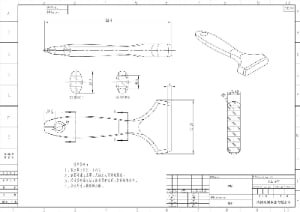
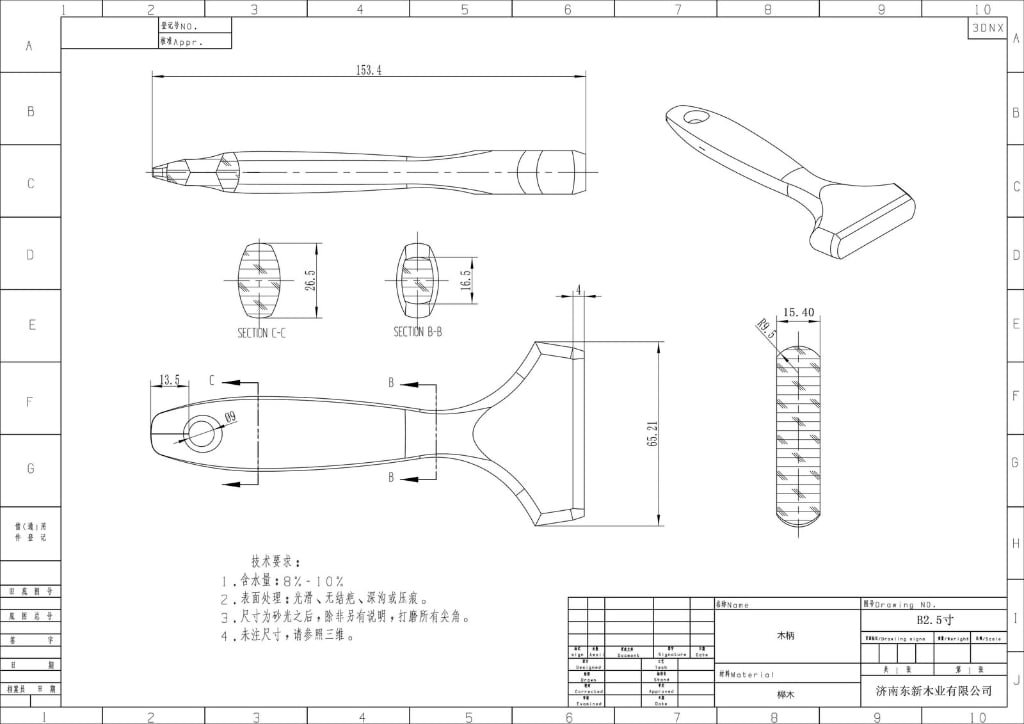
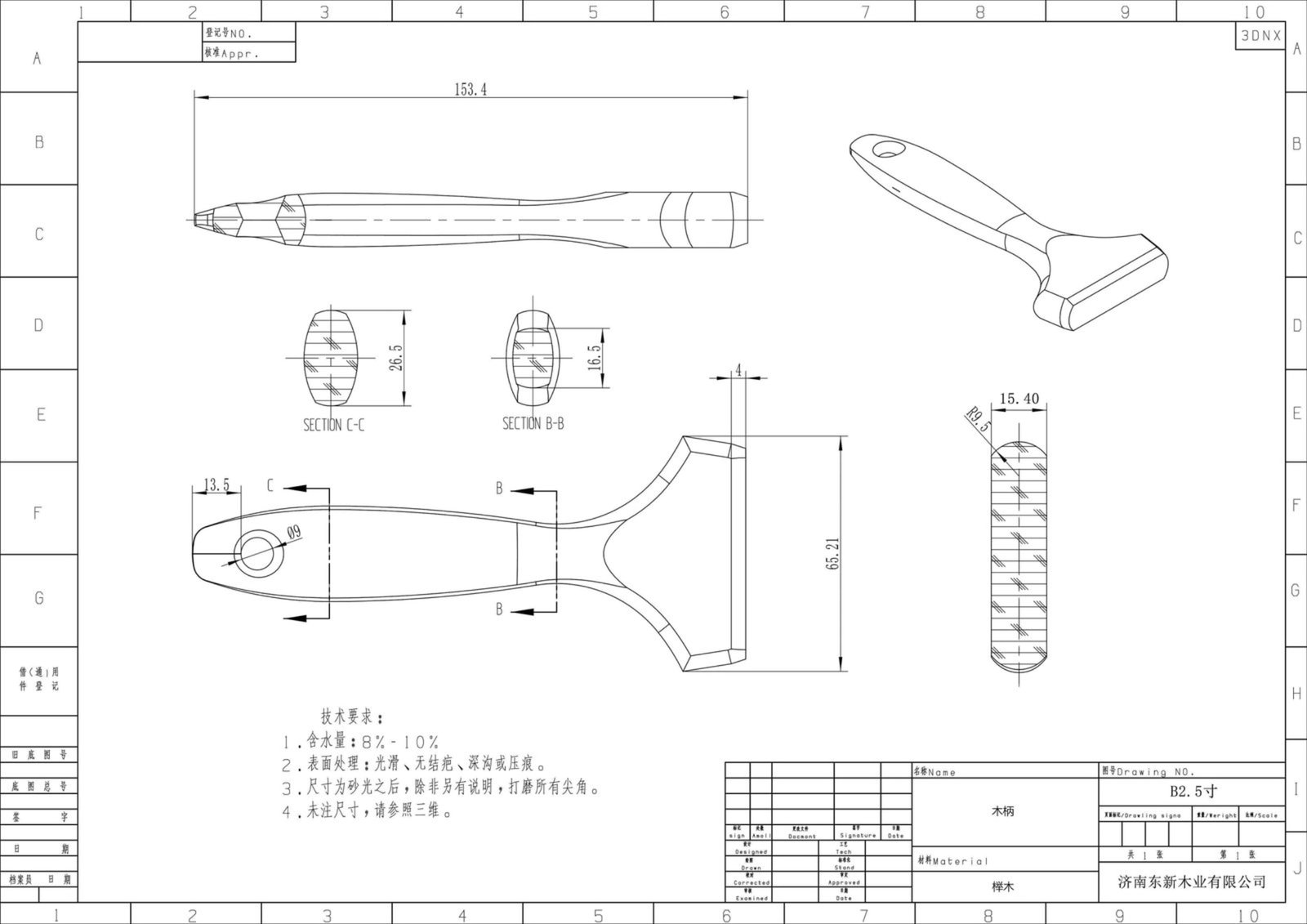
Let us take a 2.5-inch handle as an example. Usually, the customer drawing shows a head width dimension of 65.28mm. When you start working with a new supplier, you must give them a strict rule. You must require the supplier to provide more than 12 pieces of handle samples for every size.
Why 12 pieces? Because any factory worker can spend one hour to hand-sand a single perfect sample. But they cannot hand-sand 12 perfect samples. A batch of 12 samples shows you the real ability of their computer machines. You can learn more about acceptable variance limits in ISO quality standards.
How to Test Machine Stability
When you receive the 12 samples, you must measure them with a digital tool. You measure the head width of every single piece. If sample one is 65.28mm, and sample two is 65.60mm, and sample three is 65.10mm, you have a big problem.
This stability measurement represents the reliability of this supplier. If the dimensions jump up and down unevenly, this is definitely not a good supplier. They do not have good precision wood manufacturing skills. If you buy a large container from them, your automatic assembly machines will jam. You will waste metal ferrules, glue, and brush hair. You must find a factory that keeps the size perfectly flat across the whole batch.
Sample Testing Results Example
| Sample Number | Target Size | Factory A (Good) | Factory B (Bad) |
|---|---|---|---|
| Sample 1 | 65.28mm | 65.27mm | 65.28mm |
| Sample 2 | 65.28mm | 65.29mm | 65.60mm |
| Sample 3 | 65.28mm | 65.28mm | 65.10mm |
| Result | N/A | Stable / Approved | Jumping / Rejected |
What Common Mistakes Do B2B Buyers Make When Sourcing Custom Handles?
Buyers often hide parts of their assembly process. This causes massive failures on the production line. You and your supplier must share physical components to succeed.
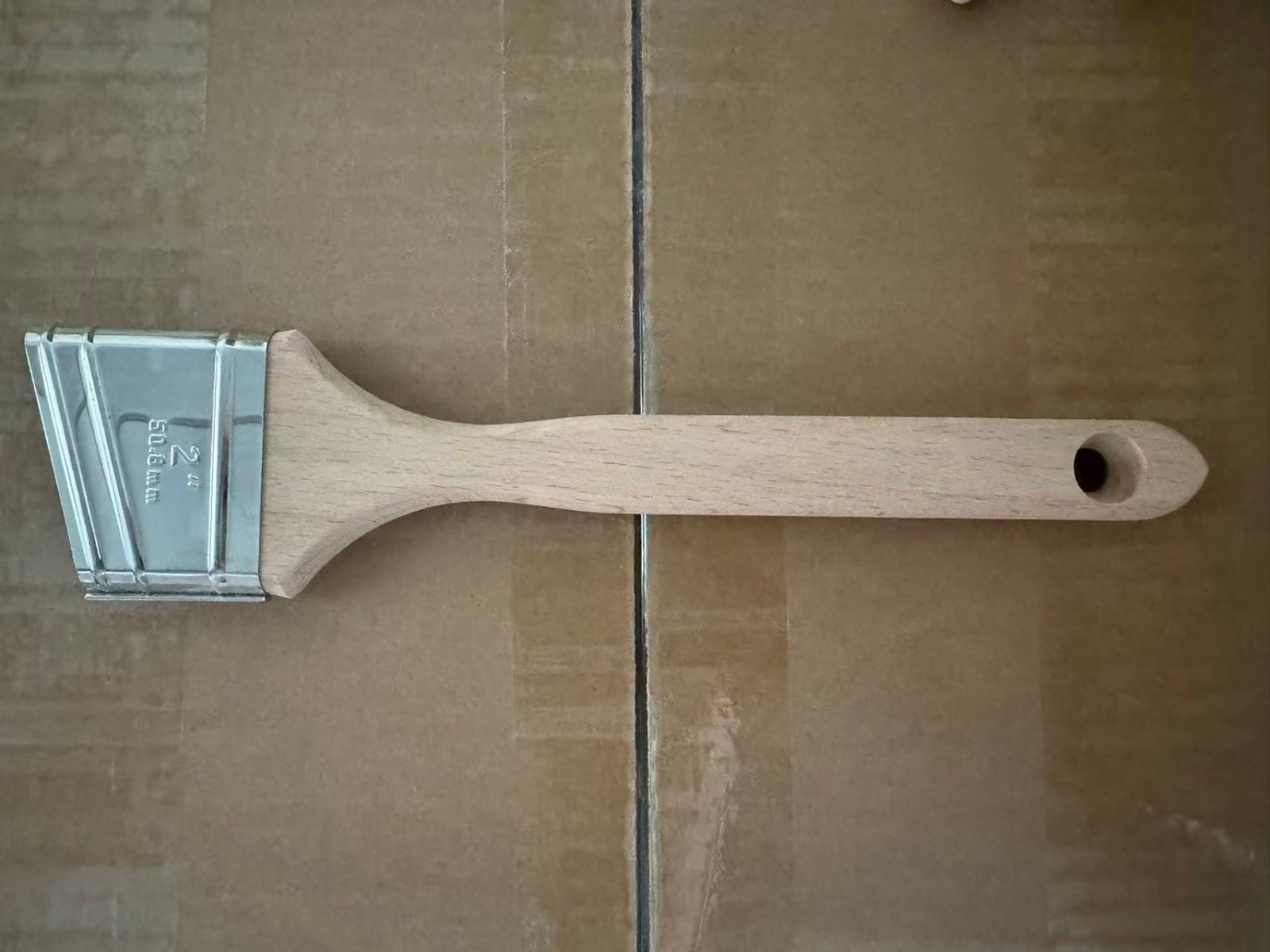
The biggest mistake buyers make is not giving the metal ferrule to the wood factory. Automated assembly machines push the ferrule and wood handle together. Both parts have small size differences. Giving just one critical size is not enough to make a safe and tight fit.
The Relationship Between Wood and Metal
A wood handle does not work alone. It must connect to a metal part. In the brush industry, we call this metal part a ferrule. The ferrule holds the brush hair. The wood handle pushes into the bottom of the ferrule.
You must provide the physical ferrule to your wood supplier. This is mandatory. To satisfy the demands of automated assembly, the ferrule and the wood handle must fit together perfectly. It is a mutual matching process. You cannot match them with just math on a piece of paper.
Why Drawings Are Not Enough
Many buyers think a drawing is enough. They send me a PDF file of the ferrule. They tell me the inside diameter is 15.00mm. They tell me to make the wood 15.00mm. This is a huge mistake.
Both accessories will have tolerances. The metal factory has a tolerance. The wood factory has a tolerance. Metal might shrink a little. Wood might swell a little. If the metal ferrule is on the small side of its tolerance, and the wood handle is on the big side of its tolerance, they will crash. The assembly machine will push them together, and the wood will split. The ferrule will break.
Because both parts have tolerances, just giving one critical dimension is far from enough. I always ask my clients to send a box of real ferrules to my factory in China. I put the wood and the metal together with my own hands. I test the fit before I put the goods in a shipping container. This small step protects my clients from huge disasters.
Understanding Tolerance Stacking
| Component | Target Size | Real Production Size | Assembly Result |
|---|---|---|---|
| Metal Ferrule | 15.00mm | 14.90mm (Small) | N/A |
| Wood Handle | 15.00mm | 15.10mm (Big) | N/A |
| Combined | Perfect Fit | 0.20mm Conflict | Wood Cracks |
Conclusion
Successful custom handle sourcing requires clear communication, strict moisture control, precision sanding, and testing ferrule fit. Focus on these details to build a stable and profitable supply chain.