How to Select the Best Wood Species for Perfume Caps?
Choosing the wrong material for your packaging can ruin your brand's luxury image and waste your budget. Do you struggle to balance cost, aesthetics, and durability when selecting wood?
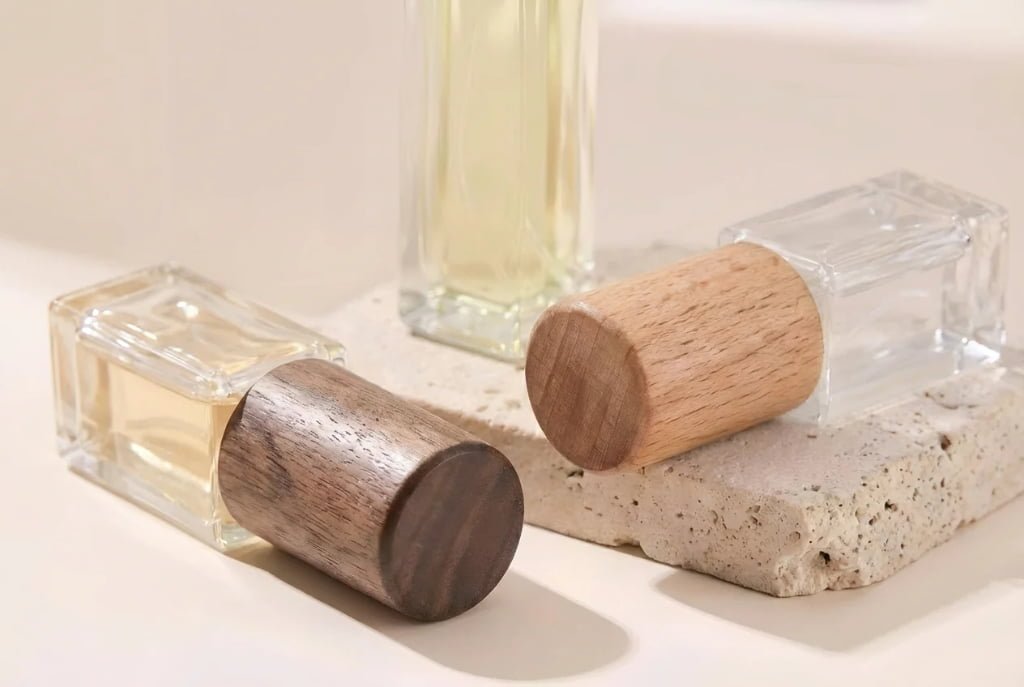
The best wood species depends entirely on your brand positioning. For ultra-luxury lines, you should choose Black Walnut or Rosewood for their weight and scarcity. For mid-range durability, Beech and Oak are superior. For budget-friendly mass production, Rubberwood and Pine offer the best cost-efficiency.
Many sourcing directors I meet are confused by the hundreds of timber options available in the market. They often ask me, "Darin, why does this cap cost twice as much as that one?" The answer usually lies in the wood species itself. Over the last 30 years at JDW, I have processed countless types of timber. I have seen how different woods react to humidity, machining, and finishing. Let me break down the specific characteristics of the seven most common woods we use, so you can make a safe and informed decision for your next project.
LOOP START
Is Ash Wood the Best Choice for Mid-to-High-End Packaging?
You want a strong, premium look without the highest price tag, but you worry about stability. Ash wood might be your solution, but it has specific quirks you must know.
Ash wood is ideal for mid-to-high-end caps due to its high hardness and resistance to cracking. It usually costs $1,000–$1,300 per cubic meter. However, its sunken grain absorbs oil easily, and heavy grain variation can sometimes result in an oxidized, tiger-stripe appearance.
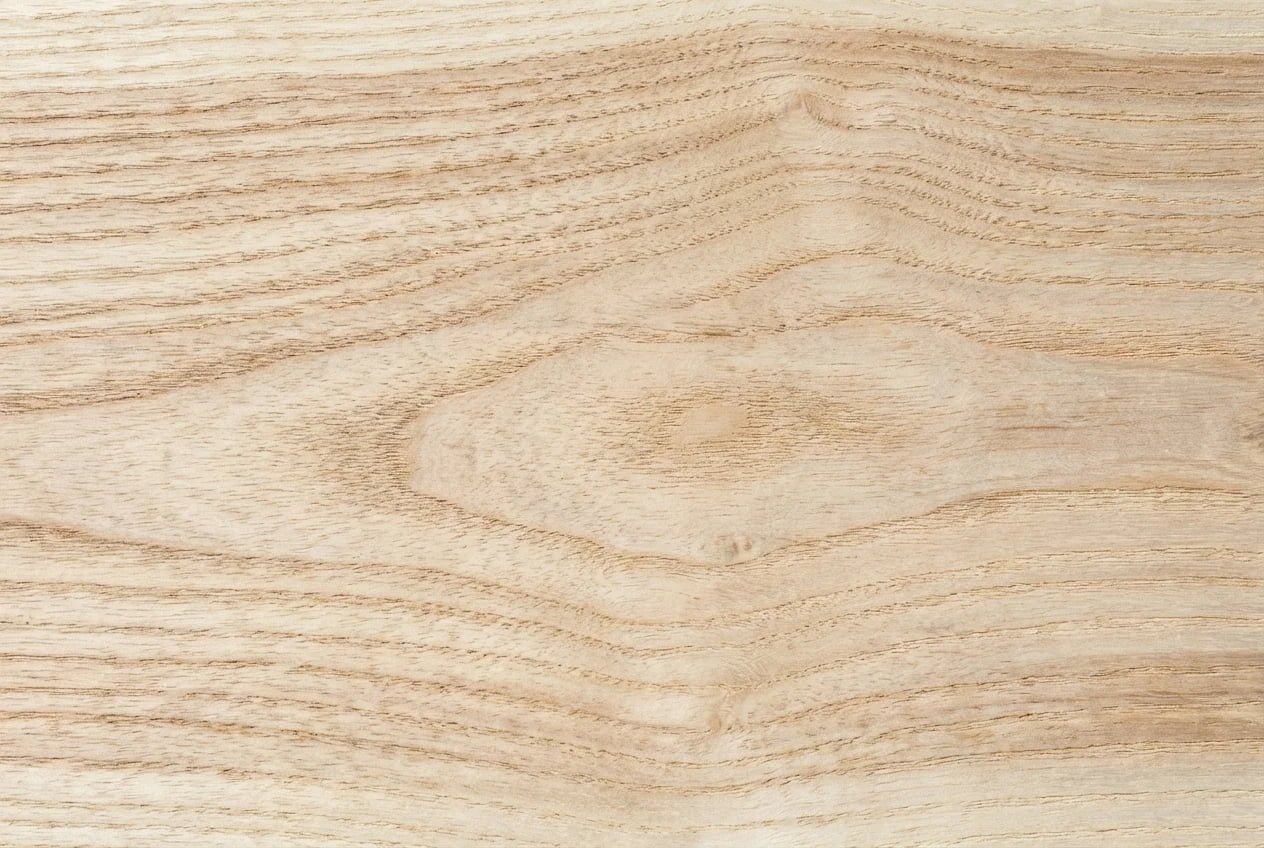
When we talk about Ash wood at JDW, we are generally referring to timber imported directly from North America. This is a crucial distinction because the quality of North American Ash is far superior to other regional varieties. From a manufacturing perspective, I consider this a mid-to-high-end timber. The price point reflects this, sitting comfortably between the budget woods and the luxury exotics.
The biggest strength of Ash is its physical stability. In the factory, we love it because it holds its shape well. It does not warp easily during the CNC milling process, which is vital for maintaining the tight tolerances required for perfume caps. If your cap fits too loosely, it falls off; too tight, and it cracks. Ash helps us avoid these issues.
However, you must be careful with the finish. Ash has a "sunken" grain. This means the pores are open and deep. It is not suitable for flat surfaces like dining tables because it absorbs oil, but for perfume caps, this texture can be a tactile advantage if you want a natural feel. Be aware of the visual randomness. The grain is bold and coarse. In some pieces, the oxidation leads to a pattern we call "tiger stripes." Some designers love this wild look, but others find it messy. You need to define your aesthetic tolerance clearly with your supplier.
| Feature | Description |
|---|---|
| Origin | Primarily North America |
| Price Range | $1,000 – $1,300 per cubic meter |
| Grain Texture | Coarse, sunken, bold patterns |
| Best Use | Mid-to-High-end perfume brands seeking durability |
| Key Risk | Inconsistent grain appearance (Tiger Stripes) |
Internal Link: Check out our portfolio of Ash wood packaging solutions here.
LOOP END
LOOP START
Why is Beech Wood the Standard for Durable, Mass-Produced Caps?
You need a wood that is hard, available in huge quantities, and affordable. But does Beech look too plain for a luxury perfume brand?
Beech is the industry standard for durability and affordability. Sourced from Europe and China, it is hard and wear-resistant. The downside is a monotonous grain pattern and a tendency to crack if moisture levels are not strictly controlled during manufacturing.
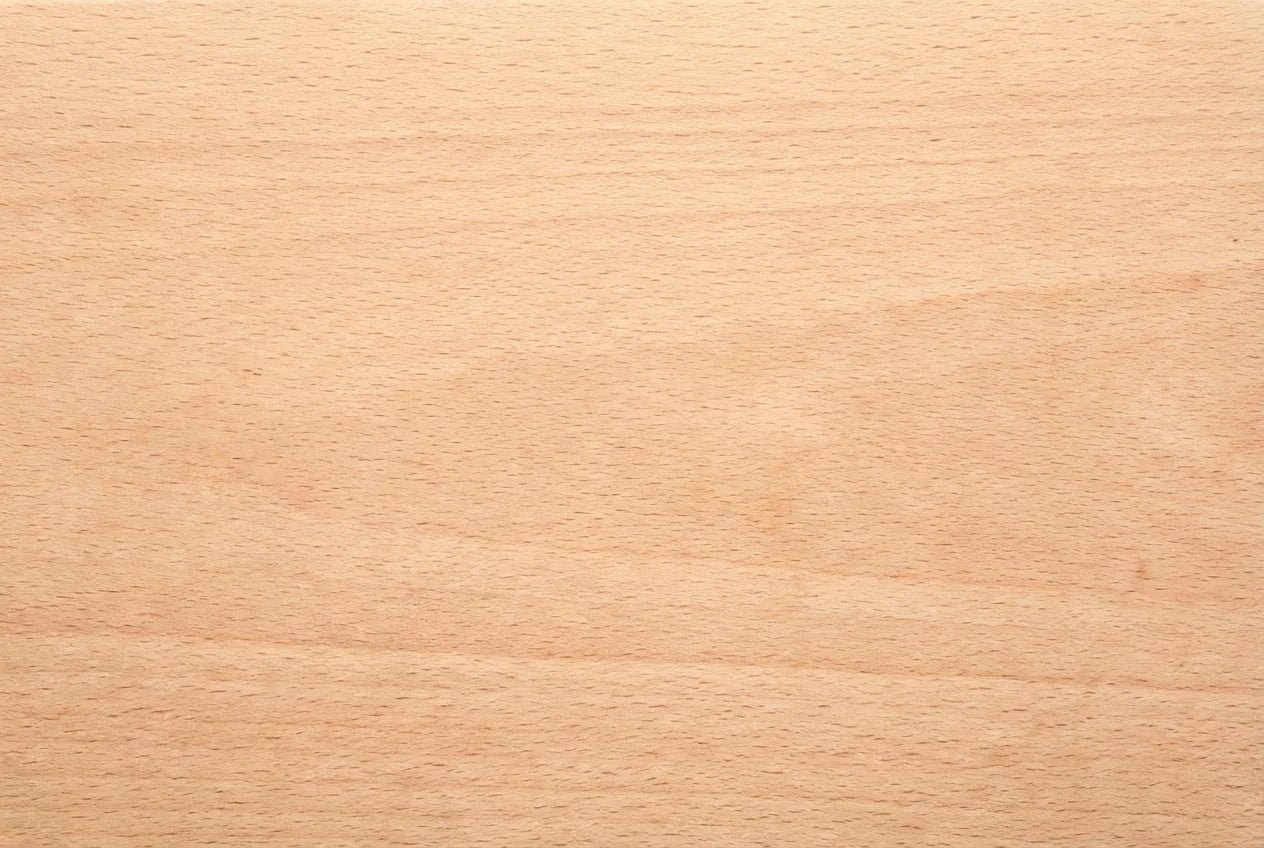
Beech is the workhorse of the wood industry. At our factory, we source Beech from three main regions: Europe, North America, and here in southern China. It is incredibly popular for a reason. It is hard, heavy, and resists wear and tear better than almost any other wood at its price point. If you are a procurement manager for a large global brand, Beech is often the safest bet for volume orders.
However, from a design perspective, Beech can be boring. The grain is very uniform—some might say monotonous. It lacks the "story" that the grain of Ash or Oak tells. But this uniformity is also a strength. If you plan to paint your caps with a solid color or a dark lacquer, Beech is the perfect canvas because it has no strong grain texture to show through the paint.
There is one major technical risk with Beech: it moves. It is very sensitive to moisture changes. If we do not dry it perfectly in our kilns to the correct moisture content (MC), it will crack or warp when it moves from our humid factory in China to a dry warehouse in Canada or Europe. This is why you need a manufacturer who understands the science of wood drying.
- Hardness: Very High
- Grain: Fine, uniform, straight
- Color: Pale cream to pinkish-brown
- Major Defect: High shrinkage rate (risk of cracking)
External Link: Learn more about wood shrinkage rates and moisture content here.
LOOP END
LOOP START
Does Oak Wood Offer the Best Texture for Natural Designs?
Your design calls for a rustic, natural texture, but you need assurance on supply stability. Is Oak the right fit for your tactile requirements?
Oak, primarily divided into Red and White varieties, offers a distinctive coarse, concave grain. Unlike the flat surface of Walnut or Cherry, Oak provides a tangible texture that enhances the organic feel of a perfume cap, though it requires careful finishing.
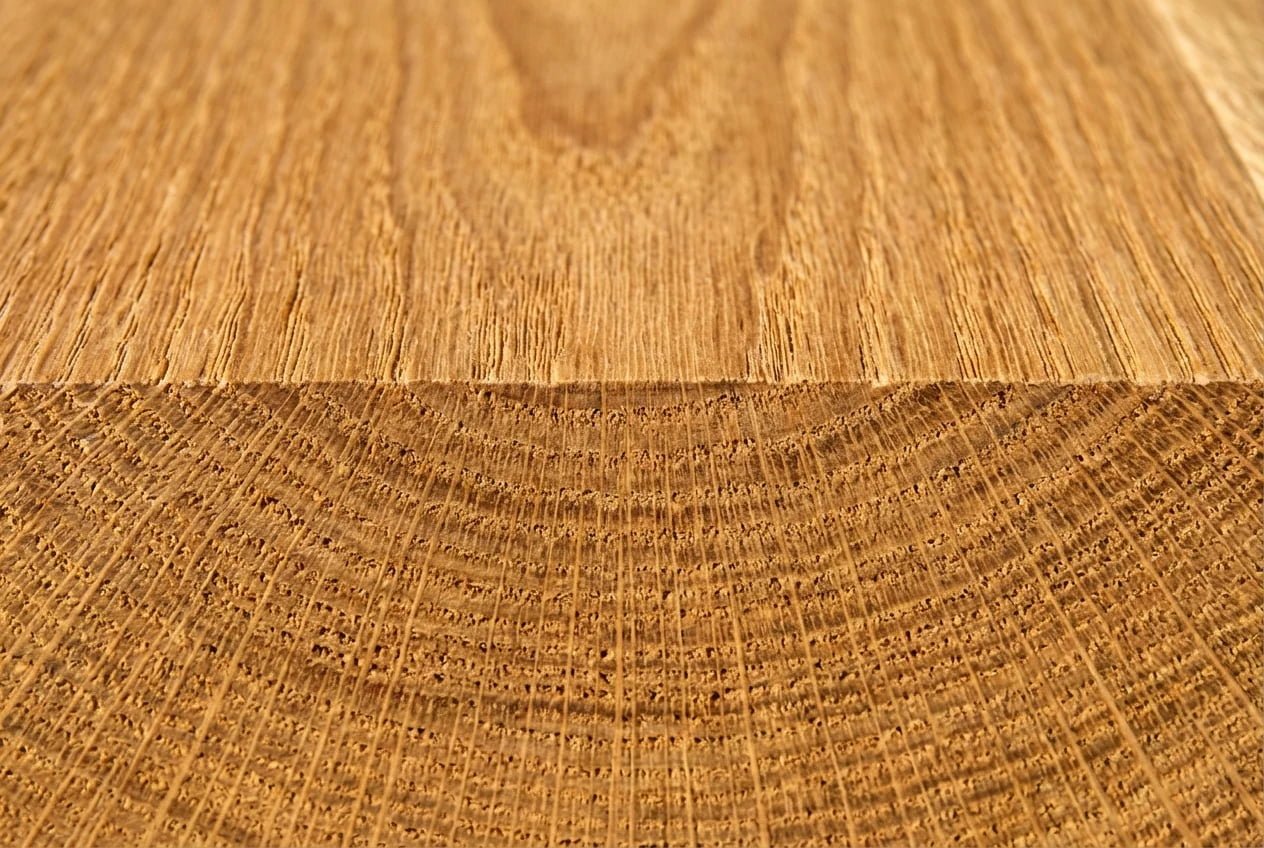
When clients ask for a "real wood feel," I point them to Oak. We usually separate this into White Oak and Red Oak. The grain is the star of the show here. Unlike the smooth, flat grain you see in Cherry or the subtle grain of Walnut, Oak has a concave, open grain. You can feel the ridges with your thumb.
For a perfume brand that emphasizes nature, organics, or raw ingredients, this tactile experience is powerful. It connects the customer to the earthiness of the product. However, this texture presents manufacturing challenges. If we do not sand it correctly, that open grain can feel rough or splintery.
We also have to consider the "Design for Manufacturability" (DFM). Because the grain is coarse, we cannot machine incredibly tiny details into Oak, as the wood might chip out. It works best for bold, simple geometric shapes. It is also important to note that White Oak is generally more water-resistant than Red Oak, which is why White Oak is used for wine barrels. For perfume caps, either works, but the visual tone is slightly different.
Internal Link: Read about our surface finishing techniques for open-grain woods.
LOOP END
LOOP START
Is Black Walnut the Ultimate Symbol of Luxury for Perfume?
You want your product to scream "expensive" and "exclusive" the moment a customer picks it up. Is the high cost of Black Walnut worth the investment?
Black Walnut is the gold standard for premium packaging. Imported from North America, it features a naturally dark, complex color and exquisite texture. It is expensive, but it signals immediate value and luxury to your high-end consumers.
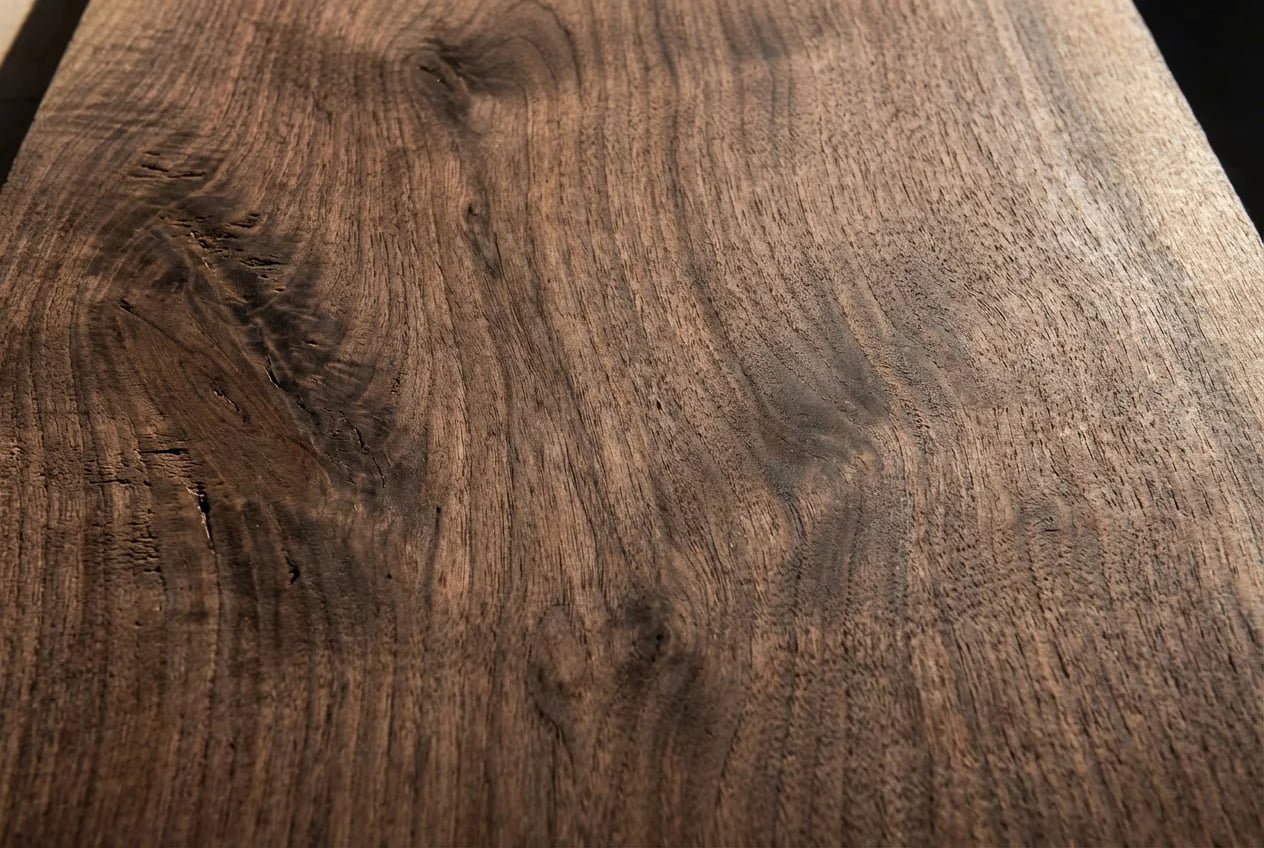
If budget is not your primary concern and image is everything, Black Walnut is the answer. We import this timber exclusively from North America. In my opinion, it is the most beautiful wood we work with. The color is not just brown; it has depths of chocolate, coffee, and sometimes hints of purple or violet in the highest grades.
Customers love Walnut because it feels natural but refined. The surface texture is smooth and silky, unlike the roughness of Oak. It takes a finish beautifully. Often, we do not even need to stain it. We simply apply a clear oil or wax to bring out the natural character.
However, you must be prepared for the cost. It is significantly more expensive than Beech or Ash. But for a bottle of fragrance that sells for $150 or more, the cap is the first interaction the customer has. A heavy, dark Walnut cap sets the expectation of quality. It tells a story of elegance. Using Walnut is a strategic decision to elevate your brand's perceived value.
| Attribute | Black Walnut |
|---|---|
| Visuals | Rich dark brown, purple hues, flowing grain |
| Tactile | Smooth, silky, warm |
| Cost | High / Premium |
| Target Audience | Luxury / Niche Perfumery |
External Link: Visit the American Hardwood Export Council for more on Walnut grading.
LOOP END
LOOP START
Can Rubberwood Save Your Budget Without Looking Cheap?
Your procurement team demands a lower unit cost, but marketing refuses to use plastic. Is there a wood that satisfies both departments?
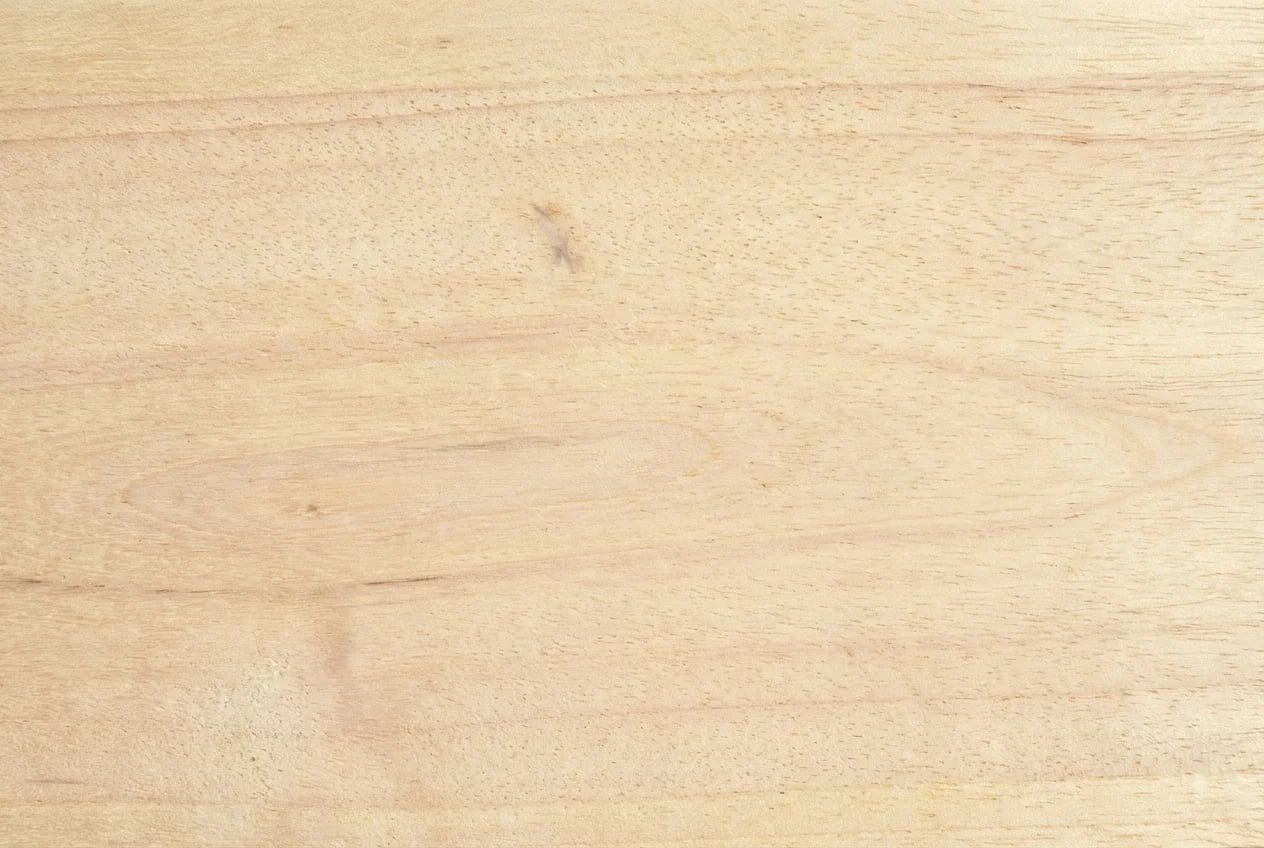
Rubberwood is the budget champion, imported from Thailand at roughly $400 per cubic meter. It is a hardwood with a whitish appearance and speckled grain similar to Beech. It is cost-effective but requires 300-grit sanding to avoid roughness.
Rubberwood is often misunderstood. Some people hear the name and think it is soft or elastic, but it is a true hardwood. We import it primarily from Thailand. It is actually a byproduct of the latex industry—once the trees stop producing latex, they are harvested for lumber. This makes it an eco-friendly story you can tell your customers.
The main selling point here is price. At approximately $400 per cubic meter, it is drastically cheaper than Oak or Walnut. If you are producing huge volumes for a mass-market brand, this is your best option. It looks somewhat like Beech, with a light, whitish color and small, speckled grain spots.
However, there is a "catch." Rubberwood tends to be fuzzy. If a factory tries to cut corners and uses standard 180-grit sandpaper, the cap will feel rough to the touch. It will feel cheap. At JDW, we have a strict protocol for Rubberwood: we insist on polishing it with at least 300-grit sandpaper. This extra step removes the fuzz and creates a smooth surface that rivals much more expensive woods. You must demand this specification from your supplier.
Internal Link: See our guide on Eco-friendly Manufacturing practices.
LOOP END
LOOP START
Is Bamboo the Best Eco-Friendly Alternative to Traditional Wood?
Sustainability is your brand's main selling point. You need a material that looks natural and grows fast. Is Bamboo actually better than timber?
Bamboo is not technically wood, but it serves as a fantastic eco-friendly alternative. It has a uniform light yellow color and comes in standardized sizes. It requires no special handling and offers a modern, clean aesthetic for green brands.
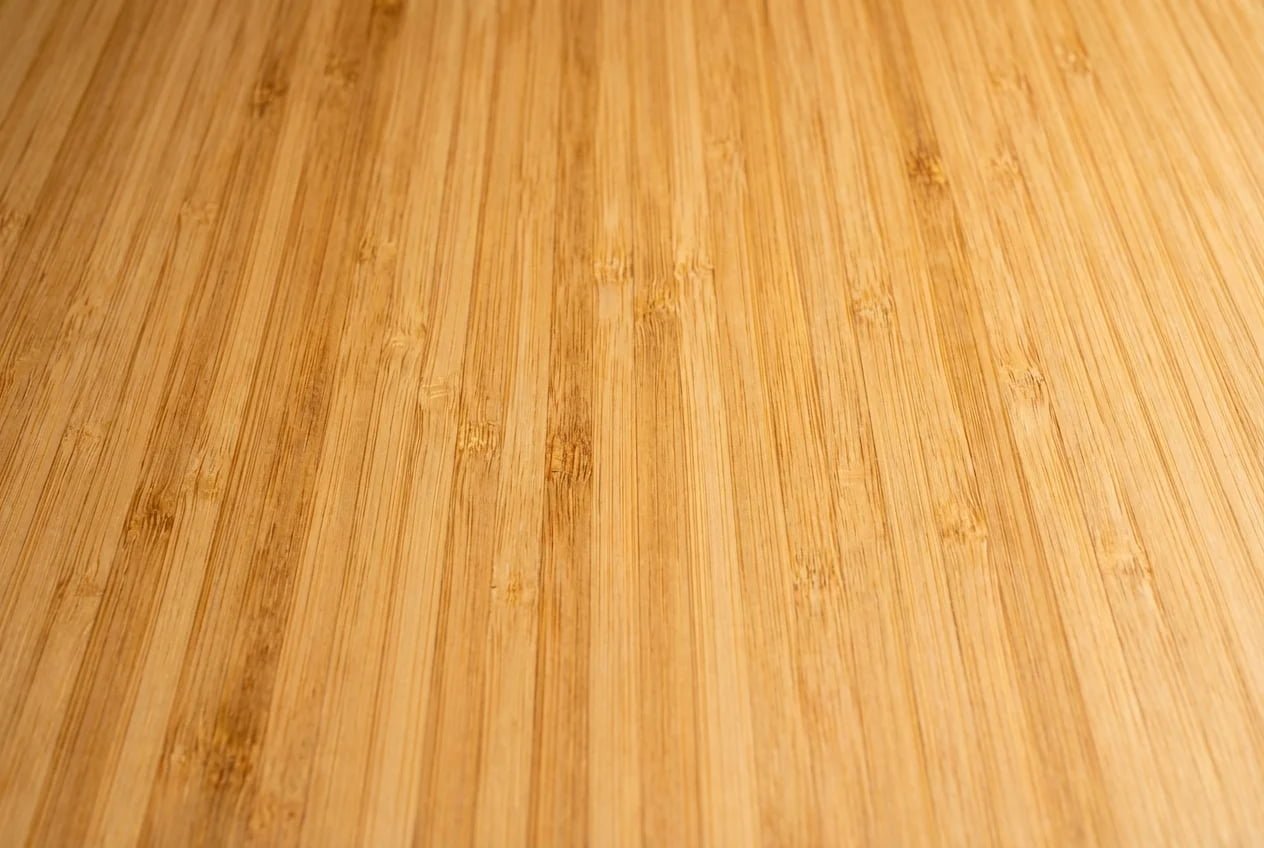
Technically, bamboo is a grass, but in our industry, we treat it like wood. For brands focusing on ESG (Environmental, Social, and Governance) goals, bamboo is a superstar. It grows incredibly fast and can be harvested without killing the plant.
From a manufacturing standpoint, bamboo is a dream because it is standardized. Unlike oak or walnut trees, which vary wildly in size and shape, bamboo comes to us in engineered sheets or blocks with very consistent dimensions. This allows us to automate the CNC process more effectively, keeping costs down and speed up.
The look is very distinct—light yellow or beige with linear grain. It screams "natural" and "clean." It does not have the complex character of Walnut, but that simplicity is exactly what some modern, minimalist brands want. It is stable, it does not warp easily, and it is very tough. If you want a hassle-free material that communicates sustainability instantly, bamboo is the right choice.
- Sustainability: Excellent (Fast renewal)
- Appearance: Light, linear, modern
- Stability: High (Engineered construction)
- Processing: Easy and standardized
LOOP END
LOOP START
Is Pine Wood a Viable Option for Soft, Natural Packaging?
You want a distinct scent and a raw, organic look for a niche product. Pine is soft, but will it survive the manufacturing process?
Pine is a softwood, often Radiata from Chile, favored for its availability and low cost. However, its high oil content clogs sandpaper, making it difficult to achieve a smooth finish without specialized production techniques.
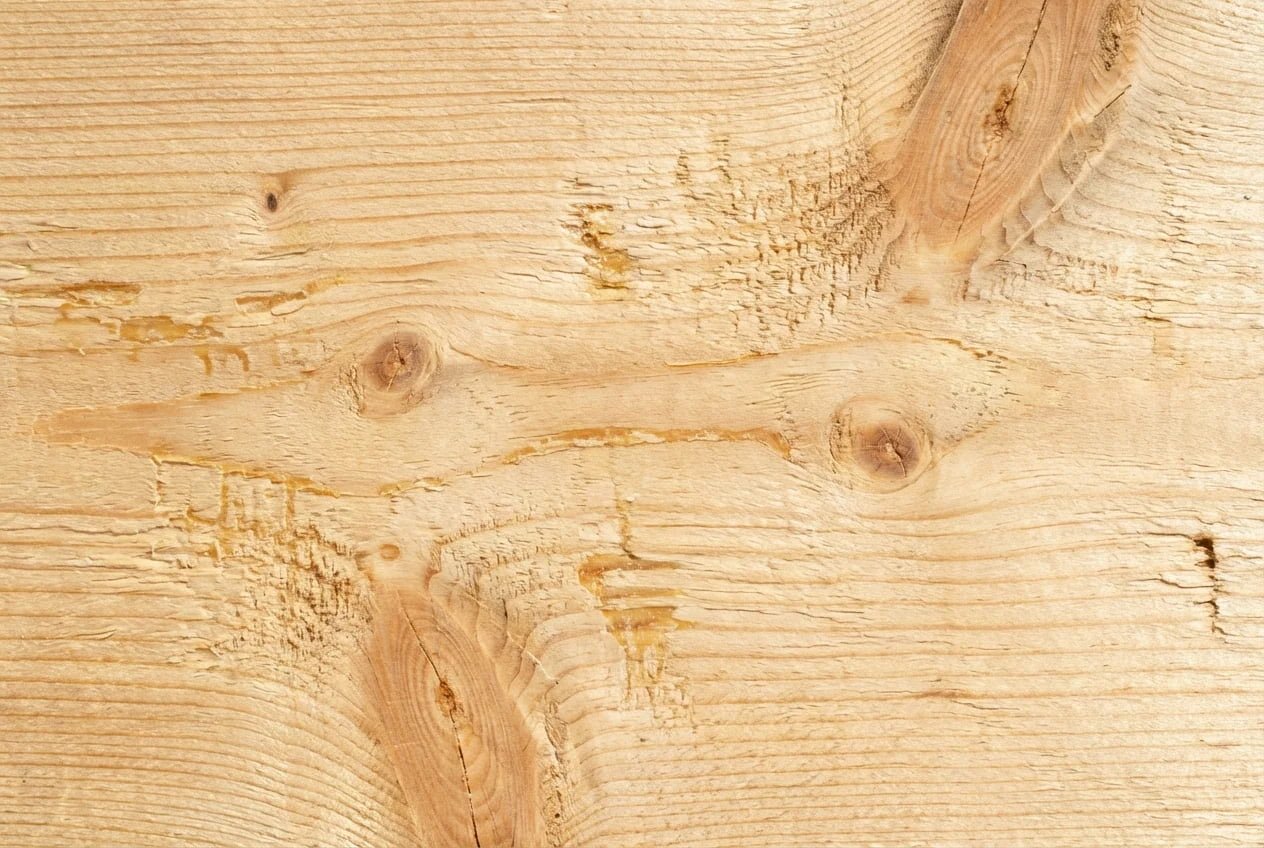
Pine is the only "softwood" on this list. We mostly use Radiata Pine, which my clients in Chile love because it is often sourced locally for them. It has a very distinct look—pale yellow with darker knots—and a distinct smell. It retains that resinous, forest scent, which can actually complement certain woody perfumes.
However, Pine is a headache for inexperienced manufacturers. Because it is rich in resin and oil, it gums up our machines. When we sand Pine, the oil mixes with the sawdust and clogs the sandpaper almost instantly. A belt that lasts 4 hours on Beech might only last 30 minutes on Pine.
This reduces efficiency and increases the risk of burn marks on the wood. To use Pine successfully, we have to run our machines at different speeds and change abrasives constantly. If you choose Pine, you must accept that it is soft. It will dent if you drop it. But for a rugged, outdoor-lifestyle brand, that "lived-in" quality might be exactly what you want.
Internal Link: Explore our technical capabilities in handling difficult woods.
LOOP END
Conclusion
To select the right wood, align the material with your brand's value. Use Walnut for luxury, Beech or Ash for durability, and Rubberwood or Pine for budget efficiency.